






Rs.64.60for 1 strip(s) (10 capsules each)

food interaction for Dexigent Capsule
alcohol interaction for Dexigent Capsule
pregnancy interaction for Dexigent Capsule
lactation interaction for Dexigent Capsule
food
alcohol
pregnancy
lactation
Dexigent 30mg Capsule is to be taken on an empty stomach.
None
None
CAUTION
It is not known whether it is safe to consume alcohol with Dexigent 30mg Capsule. Please consult your doctor.
CONSULT YOUR DOCTOR
The safety of Dexigent 30mg Capsule during pregnancy has not been established. There are no adequate and well-controlled studies in pregnant women, and animal data on reproductive toxicity are insufficient. Your doctor will weigh the benefits and any potential risks before prescribing.
CONSULT YOUR DOCTOR
Dexigent 30mg Capsule may be unsafe to use during breastfeeding. Limited human data suggests that the drug may pass into the breastmilk and harm the baby. It should be used only if the expected benefit outweighs the potential risk. Please consult your doctor.
CONSULT YOUR DOCTOR
SALT INFORMATION FOR Dexigent 30mg Capsule
Dexlansoprazole(30mg)
Dexigent capsule uses
{med_name} is used in the treatment of gastroesophageal reflux disease (acid reflux) and erosive esophagitis.
How dexigent capsule works
Dexigent 30mg Capsule is a proton pump inhibitor (PPI) that works by blocking the acid-producing pumps in the stomach lining, thereby reducing gastric acid secretion. This reduction in acid helps relieve heartburn, protects the oesophagus from acid-related damage, and supports healing in acid-related conditions such as GERD and erosive esophagitis.
Common side effects of dexigent capsule
Nausea, Flatulence, Diarrhea, Headache, Constipation, Stomach pain
SUBSTITUTES FOR Dexigent Capsule
16 Substitutes
16 Substitutes
Sorted By
 Rs. 153.05pay 137% more per Capsule
- Rs. 93.75pay 39% more per Capsule
- Rs. 52.50save 19% more per Capsule
- Rs. 93.75pay 39% more per Capsule
- Rs. 93.75pay 99% more per Capsule
Related Products
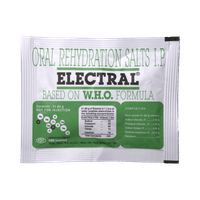 Electral Powder | for Replenishing Body Fluids & Electrolytes | For Stomach Care₹ 23.05
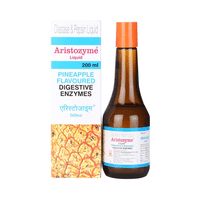 Aristozyme Diastase & Pepsin Liquid | For Digestive Care & Stomach Care | Flavour Pineapple₹ 151.8
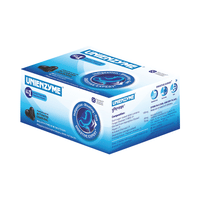 Unienzyme Tablet with Activated Charcoal | For Indigestion, Bloating & Gas | Stomach Care₹ 96.56
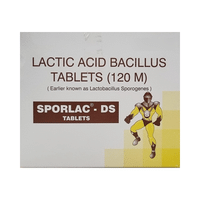 Sporlac DS Tablet | For Stomach Care₹ 224.16
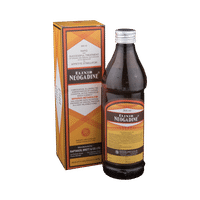 Neogadine Elixir₹ 233.5
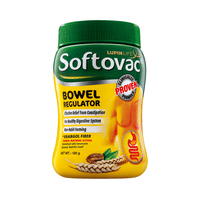 Softovac Bowel Regulator for Effective Relief from Constipation₹ 215
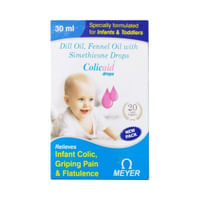 Colicaid Infant & Toddler Drop | For Infant Colic, Griping Pain & Flatulence₹ 93.75
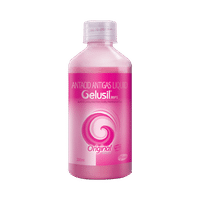 Gelusil MPS Antacid & Antigas Original Liquid | For Acidity, Hurtburns, Gas & Stomach Care | Sugar-Free | Mint Flavour Mint₹ 173.52
 Itone Eye Drop | For Healthy Vision & Eye Care₹ 72
 Vitazyme Syrup₹ 121.88
Expert advice FOR Dexigent Capsule
- Take Dexlansoprazole exactly as prescribed, preferably at the same time each day, to maintain consistent acid control.
- Relief from heartburn may take a few days; continue taking the medicine regularly even if symptoms improve early.
- Avoid stopping treatment suddenly without medical advice, especially if it is being used for erosive esophagitis or maintenance therapy.
- Limit foods and habits that worsen acid reflux, such as spicy or fatty foods, late-night meals, smoking, and alcohol, to get better symptom control.
- If symptoms do not improve or worsen, or if you develop new symptoms such as persistent diarrhea, abdominal pain, or difficulty swallowing, inform your doctor promptly.
- Long-term use should be reviewed periodically by a doctor, as prolonged acid suppression may be associated with nutrient deficiencies or other risks.
Frequently asked questions FOR Dexigent 30mg Capsule
Dexlansoprazole
Q. For how long should I take Dexigent 30mg Capsule?
Dexigent 30mg Capsule should be used as prescribed by your doctor for a different duration and dosage as per your underlying condition and the response to treatment. Follow your doctor’s instructions carefully to get maximum benefit. Depending on the illness you are being treated for, you may need it for a short term or a long term. Do not stop taking it even if you feel better, as it may worsen your condition. Talk to your doctor before stopping Dexigent 30mg Capsule if you have completed your course or if you wish to come off Dexigent 30mg Capsule.
Q. How does Dexigent 30mg Capsule work for the treatment of gastroesophageal reflux disease?
Gastroesophageal reflux disease (GERD) happens when high acid secretion in your stomach enters your food pipe (esophagus) and causes a burning feeling in the chest (heartburn) or throat, sour taste, or burping. Dexigent 30mg Capsule acts by decreasing the acid produced in the stomach and relieves the symptoms of GERD.
Q. Can Dexigent 30mg Capsule cause calcium deficiency and osteoporosis?
Dexigent 30mg Capsule can cause osteoporosis (thinning of bones) as it decreases calcium absorption, leading to calcium deficiency. This leads to an increased risk of bone fractures on long-term use, such as hip, wrist, or spine fractures. Inform your doctor if you have osteoporosis or if you are taking corticosteroids (these can increase the risk of osteoporosis) before starting your therapy. Consult your doctor on ways to prevent this. Your doctor may advise you to take calcium or vitamin D supplements to reduce the risk.