






Rs.87for 1 bottle(s) (350 ml Infusion each)
ఇతర రకాలలో లభ్యమవుతుంది

Manitol Infusion కొరకు ఆహారం సంపర్కం
Manitol Infusion కొరకు ఆల్కహాల్ సంపర్కం
Manitol Infusion కొరకు గర్భధారణ సంపర్కం
Manitol Infusion కొరకు చనుబాలివ్వడం సంపర్కం
ఆహారం
ఆల్కహాల్
గర్భధారణ
చనుబాలివ్వడం
No interaction found/established
మద్యంతో కలిగిన ప్రమాదాలు తెలియదు. దయచేసి మీ వైద్యుడిని సంప్రదించండి. శూన్య
CONSULT YOUR DOCTOR
Manitol 20% Infusionను గర్భధారణ సమయంలో ఉపయోగించడం సురక్షితం కాకపోవచ్చు
జంతు అధ్యయనాల్లో పిండంపై వ్యతిరేక ప్రభావాలు చూపించబడ్డాయి, అయితే ఇవి మానవ అధ్యయనాల్లో పరిమితంగా ఉన్నాయి. గర్భధారణ మహిళల్లో దీనిని ఉపయోగించడం వల్ల కలిగే ప్రయోజనాలు, దీనిని ఉపయోగించడం వల్ల కలిగే ప్రమాదాల కంటే ఆమోదయోగ్యమైనవి. దయచేసి మీ వైద్యుడిని సంప్రదించండి.
జంతు అధ్యయనాల్లో పిండంపై వ్యతిరేక ప్రభావాలు చూపించబడ్డాయి, అయితే ఇవి మానవ అధ్యయనాల్లో పరిమితంగా ఉన్నాయి. గర్భధారణ మహిళల్లో దీనిని ఉపయోగించడం వల్ల కలిగే ప్రయోజనాలు, దీనిని ఉపయోగించడం వల్ల కలిగే ప్రమాదాల కంటే ఆమోదయోగ్యమైనవి. దయచేసి మీ వైద్యుడిని సంప్రదించండి.
CONSULT YOUR DOCTOR
బిడ్డకు పాలిచ్చే తల్లులు Manitol 20% Infusion బహుశ సురక్షితము.
ఈ మందు మానవ వినియోగం విషయంలో ఉన్న సమాచారం ప్రకారం ఇది బిడ్డకు చెప్పుకోదగ్గ స్థాయిలో హాని చేయదు.
SAFE IF PRESCRIBED
Manitol 20% w/v Infusion కొరకు సాల్ట్ సమాచారం
Mannitol(20% w/v)
Manitol infusion ఉపయోగిస్తుంది
Manitol 20% Infusionను, తీవ్ర మూత్రపిండ వైఫల్యం, సెరిబ్రల్ ఎడిమా (మెదడులో అదనపు ద్రవాలు పేరుకుపోవడం) మరియు గ్లూకోమా (అధిక కంటి ఒత్తిడి) యొక్క చికిత్సలో ఉపయోగిస్తారు
ఎలా manitol infusion పనిచేస్తుంది
Manitol 20% Infusion రసాయన చర్యల్లో తటస్థంగా ఉంటుంది. ఎక్కువ ఆస్మాటిక్ పీడనం కలిగిన, మూత్రపిండాల్లోకి నీటిని ఆకర్షించి మూత్రం పరిమాణాన్ని పెంచేందుకు దోహదపడుతుంది. కనుగుడ్డు లోపల ఒత్తిడిని తగ్గించేందుకు, మెదడు చుట్టూ ఉండే కణజాలపు వాపును నియత్రిస్తుంది.
Manitol infusion యొక్క సాధారణ దుష్ప్రభావాలు
వికారం, వాంతులు, తలనొప్పి, డీ హైడ్రేషన్
Manitol Infusion కొరకు ప్రత్యామ్నాయాలు
7 ప్రత్యామ్నాయాలు
7 ప్రత్యామ్నాయాలు
Sorted By
 Rs. 27.89pay 13% more per ml of Infusion
- Rs. 87.72pay 1% more per ml of Infusion
- Rs. 67.97save 24% more per ml of Infusion
- Rs. 27.90pay 13% more per ml of Infusion
- Rs. 30.66pay 25% more per ml of Infusion
సంబంధిత ఉత్పత్తులు
 Volini Pain Relief Gel for Sprain, Muscle, Joint, Neck & Low Back Pain | Bone, Joint & Muscle Care₹ 160
 Himalaya Cystone Tablet | Supports Urinary Tract Health and Wellness₹ 260
 Calcimax Forte+ Calcium Tablet with Vitamin D3, Magnesium & Zinc | Supports Bone, Joint & Muscle Health | Indian Pharmacopoeia IP Grade Calcium Carbonate₹ 322
 Volini Pain Relief Gel for Sprain, Muscle, Joint, Neck & Low Back Pain | Bone, Joint & Muscle Care₹ 77.81
 Caripill Carica Papaya Leaf Extract Tablet₹ 696
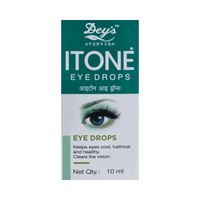 Itone Eye Drop | For Healthy Vision & Eye Care₹ 72
 New I-Site Capsule₹ 216.23
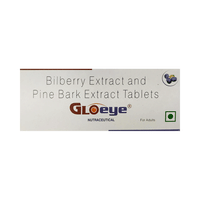 Gloeye Bilberry Extract & Pine Bark Extract Tablet₹ 257
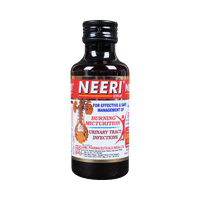 Aimil Neeri Ayurvedic Syrup | Urinary Tract Infections (UTIs) | Burning Micturition₹ 166
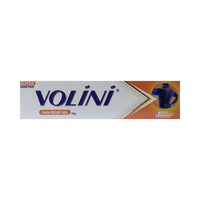 Volini Pain Relief Gel for Sprain, Muscle, Joint, Neck & Low Back Pain | Bone, Joint & Muscle Care₹ 232
Manitol 20% w/v Infusion గురించి తరచుగా అడిగే ప్రశ్నలు
Mannitol
Q. What is Manitol 20% Infusion used for?
Manitol 20% Infusion is used to help remove extra fluid from your body. It is often given in hospitals to reduce pressure in the brain (after injury or surgery) or in the eyes (like in glaucoma). It can also help your kidneys produce urine when they are not working well and help flush out certain poisons from the body.<br>
Q. Who should not receive Manitol 20% Infusion?
Individuals should not receive Manitol 20% Infusion if they have severe kidney problems, heart failure, lung congestion, severe dehydration, or active bleeding inside the brain (except during surgery). It should also be avoided if the individual is allergic to mannitol.<br>
Q. Is Manitol 20% Infusion safe for people with kidney problems?
Manitol 20% Infusion should be used with great care if your kidneys are not working well. Your doctor may give a small test dose first to check if your kidneys can handle it. If you stop passing urine or your kidney function worsens, the treatment is usually stopped immediately.<br>