





Richaxon AZ Soft Gelatin Capsule

Rs.389for 1 strip(s) (10 soft gelatin capsules each)

food interaction for Richaxon
alcohol interaction for Richaxon
pregnancy interaction for Richaxon
lactation interaction for Richaxon
food
alcohol
pregnancy
lactation
Richaxon AZ Soft Gelatin Capsule may be taken with or without food.
None
None
CAUTION
Alcohol should be used with caution while taking Richaxon AZ Soft Gelatin Capsule.
CAUTION
The safety of Richaxon AZ Soft Gelatin Capsule during pregnancy has not been established. There are no adequate and well-controlled studies in pregnant women, and animal data on reproductive toxicity are insufficient. Your doctor will weigh the benefits and any potential risks before prescribing.
CONSULT YOUR DOCTOR
Richaxon AZ Soft Gelatin Capsule should be used with caution during breastfeeding. Breastfeeding should be held until the treatment of the mother is completed and the drug is eliminated from the body.
CAUTION
SALT INFORMATION FOR Richaxon
Methylcobalamin(1500mcg)
Uses
Methylcobalamin is used in vitamin B12 deficiency.
How it works
Methylcobalamin is a form of vitamin B12 that restores its level in the body thereby helping in treating certain anemias and nerve problems.
Common side effects
Decreased appetite, Diarrhea, Nausea, Rash
Alpha Lipoic Acid(100mg)
Uses
Alpha Lipoic Acid is used in nutritional deficiencies.
How it works
Alpha lipoic acid acts as a potent antioxidant (substance that protects against cell damage) by neutralizing the free radicals (waste products formed in the body during energy production) such as reactive oxygen and nitrogen species. Further, it initiates natural antioxidant processes in the body. It also maintains the levels of Vitamin E and Vitamin C in the body.
Common side effects
Nausea, Abdominal pain, Allergic reaction, Diarrhea, Vertigo, Vomiting
Selenium dioxide(65mcg)
Uses
Common side effects
Chromium Picolinate(60mcg)
Uses
Chromium Picolinate is used in the treatment of nutritional deficiencies.
Common side effects
Headache, Nausea, Dizziness, Bloating
Zinc Sulphate Monohydrate(15mg)
Uses
Zinc Sulphate Monohydrate is used in the treatment of nutritional deficiencies.
How it works
Zinc Sulphate Monohydrate provides essential nutrients
Common side effects
Abdominal pain, Indigestion, Nausea, Vomiting, Diarrhea, Gastric irritation, Stomach inflammation
Vitamin B6 (Pyridoxine)(3mg)
Uses
Vitamin B6 (Pyridoxine) is used in the treatment of nutritional deficiencies.
How it works
Vitamin B6 (Pyridoxine) provides essential nutrients.
Common side effects
Burning sensation, Tightness sensation, Headache, Nausea, Sleepiness, Upset stomach, Paresthesia (tingling or pricking sensation)
Inositol(2mg)
Uses
How it works
Inositol
Common side effects
Limited data available
Folic Acid(1.5mg)
Uses
Folic Acid is used in the treatment of anemia due to chronic kidney disease, iron deficiency anemia and anemia due to folic acid deficiency.
How it works
Folic Acid is a form of vitamin B. It plays a vital role in the formation of red blood cells, which carry oxygen throughout the body. It is also essential in pregnancy due to its role in the development of the unborn baby's brain and spinal cord.
Common side effects
No common side effects seen
SUBSTITUTES FOR Richaxon
No substitutes foundRelated Products
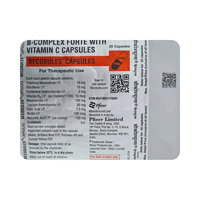 Becosules Capsule with B-Complex & Vitamin C | For Mouth Ulcers₹ 62.37
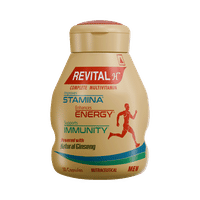 Revital H Multivitamin with Natural Ginseng for Immunity, Strong Bones & Energy₹ 293
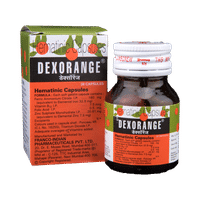 Dexorange Hematinic Capsule₹ 192.75
 Aimil Neeri Ayurvedic Syrup | Urinary Tract Infections (UTIs) | Burning Micturition₹ 166
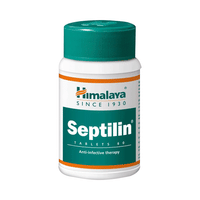 Himalaya Septilin Tablet | for Treatment and Management of Various Infections | Prevents Recurrence of Infections₹ 275
 Coralium-D3 Tablet₹ 184.45
 Walyte ORS for Instant Hydration & Electrolyte Balance | Flavour Powder Orange₹ 23.26
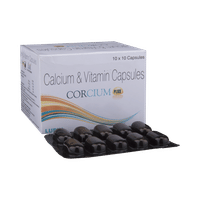 Corcium Calcium Tablet | Support Joint and Bone Health | Maintain Muscle Strength₹ 234.4
 Aimil Neeri KFT Sugar-Free Ayurveda Syrup | Supports Kidney Health₹ 625
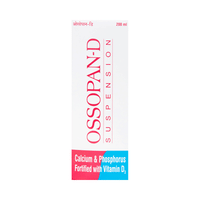 Ossopan -D Suspension₹ 185.91
Expert advice FOR Richaxon
- Methylcobalamin helps replenish vitamin B12 level in your body.
- This further helps in regeneration of damaged nerves in the body.
- Avoid or limit alcohol consumption while taking this medication.
- Inform your doctor if you are pregnant, planning to conceive or breastfeeding.
- Do not stop taking the medication even if your symptoms improve. Take it as per the dose and duration prescribed by your doctor.
Frequently asked questions FOR Richaxon
Methylcobalamin
Q. What is Methylcobalamin?
Methylcobalamin contains vitamin B12. Vitamin B12 is an essential nutrient which is required by the body to make red blood cells and maintain a healthy nervous system. It is also important for releasing energy from food and using vitamin B11 (folic acid).
Q. Why can’t I get sufficient vitamin B12 from my diet?
You can get vitamin B12 from sources like meat, fish, eggs and dairy products. While people who are vegetarian or vegan may not get Vitamin B12 as it is not found naturally in foods such as fruits, vegetables and grains. Therefore, deficiency of Vitamin B12 is usually noticed in vegetarians or vegans.
Q. What happens if I have vitamin B12 deficiency?
Deficiency of vitamin B12 may cause tiredness, weakness, constipation, loss of appetite, weight loss and megaloblastic anemia (a condition when red blood cells become larger in size than normal). It may also lead to nerve problems such as numbness and tingling in the hands and feet. Other symptoms of vitamin B12 deficiency may include problems with balance, depression, confusion, dementia, poor memory and soreness of the mouth or tongue.
Alpha Lipoic Acid
Q. Is Alpha Lipoic Acid a vitamin?
No, Alpha Lipoic Acid is not a vitamin
Q. Is Alpha Lipoic Acid an amino acid?
No, Alpha Lipoic Acid is not an amino acid
Q. Is Alpha Lipoic Acid natural?
Yes, Alpha Lipoic Acid is natural as it is synthesized in the human body, and in a wide variety of foods from plant and animal source
Selenium dioxide
Chromium Picolinate
Q. What is Chromium Picolinate used for?
Chromium Picolinate is a supplement used to support healthy blood sugar levels, particularly in people with chromium deficiency or type 2 diabetes. It may also be used for weight management and to improve metabolism.
Q. How should I take Chromium Picolinate?
Take one capsule daily, or as directed by your doctor, with or without food. Swallow the capsule whole with water and maintain a healthy diet and exercise routine for best results.
Q. Can I take Chromium Picolinate with other medications?
If you are under medications, particularly for diabetes, consult your doctor before starting Chromium Picolinate. It may affect blood sugar levels and enhance the effect of certain drugs.
Zinc Sulphate Monohydrate
Vitamin B6 (Pyridoxine)
Inositol
Folic Acid
Q. Is it ok to take Folic Acid when not pregnant?
Usually, folic acid requirements are met from the diet and therefore additional supplements are not required. In general, Folic Acid is recommended only when you have a deficiency of folic acid. However, Folic Acid is advised to women who are pregnant and who want to conceive. The medicine should be taken at least 4 weeks before pregnancy and should continue its use up to 3 months of pregnancy. Consult your doctor if not sure.
Q. Can Folic Acid cause weight gain?
Animal studies on Folic Acid suggest that taking the medicine in excess along with a high-fat diet may lead to weight gain and fat accumulation. But this weight gain was not evident when taken along with a normal or low-fat diet, even with excess Folic Acid. In humans, similar studies have not been conducted and therefore knowledge regarding weight gain is lacking. Therefore, if you are on Folic Acid eat a low-fat meal to be on the safer side.
Q. How long does Folic Acid take to work?
Folic Acid usually starts working within a few hours of taking it. If you are taking it for iron deficiency anemia, you may start feeling better after a few weeks of taking it. In case you are taking it during pregnancy, you may not notice any difference but this does not mean that the dose is not working. Continue taking Folic Acid for the duration recommended by your doctor.