






Rs.63.80for 1 strip(s) (10 tablets each)

Esomefol Tablet साठी कृती अन्न
Esomefol Tablet साठी कृती दारू
Esomefol Tablet साठी कृती गर्भधारणा
Esomefol Tablet साठी कृती स्तनपान
अन्न
दारू
गर्भधारणा
स्तनपान
Esomefol Tablet ला रिकाम्या पोटी (अन्न सेवनाच्या 1 तास आधी किंवा अन्न सेवनानंतर2 तासांनी) घेणे अधिक चांगले आहे.
Esomefol Tablet सोबत अल्कोहोल घेणे सामान्यत: असुरक्षित असते.
UNSAFE
Esomefol Tablet गर्भारपणात असुरक्षित असू शकते.
प्राण्यांवरील अभ्यास भ्रूणावर घातक परिणाम दर्शवतात, परंतू मानवी अभ्यास मर्यादित आहेत. गर्भार स्त्रियांमध्ये वापरण्याचे लाभ जोखीम असून देखील ग्राह्य आहेत. कृपया तुमच्या डॉक्टरांचा सल्ला घ्या.
प्राण्यांवरील अभ्यास भ्रूणावर घातक परिणाम दर्शवतात, परंतू मानवी अभ्यास मर्यादित आहेत. गर्भार स्त्रियांमध्ये वापरण्याचे लाभ जोखीम असून देखील ग्राह्य आहेत. कृपया तुमच्या डॉक्टरांचा सल्ला घ्या.
CONSULT YOUR DOCTOR
स्तनपान करवण्याच्या दरम्यान Esomefol Tablet सुरक्षित आहे.
मानवीय अभ्यासांतून दिसून आलं आहे की एकतर हे औषध लक्षणीय प्रमाणात स्तनातील दूधात शिरत नाही किंवा त्यामुळे बाळाला विषबाधा होणे अपेक्षित नाही.
SAFE IF PRESCRIBED
Esomefol 40mg Tablet साठी क्षार माहिती
Esomeprazole(40mg)
Esomefol tablet वापरते
Esomefol tabletकसे कार्य करतो
Esomefol Tablet पोटात आम्लाचे उत्पादन कमी करते
Esomefol tablet चे सामान्य दुष्प्रभाव
अन्न खावेसे न वाटणे, डोकेदुखी, पोटात दुखणे, बद्धकोष्ठता, उदरवायु , अतिसार, गरगरणे, तोंडाला कोरडेपणा
Esomefol Tablet साठी विकल्प
582 विकल्प
582 विकल्प
Sorted By
 Rs. 183pay 82% more per Tablet
- Rs. 168.75pay 76% more per Tablet
- Rs. 251pay 157% more per Tablet
- Rs. 180.90pay 87% more per Tablet
- Rs. 112.29pay 72% more per Tablet
संबंधित प्रॉडक्ट
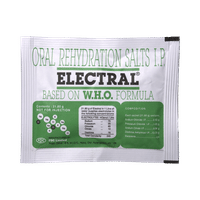 Electral Powder | for Replenishing Body Fluids & Electrolytes | For Stomach Care₹ 23.05
 Aristozyme Diastase & Pepsin Liquid | For Digestive Care & Stomach Care | Flavour Pineapple₹ 151.8
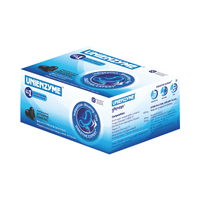 Unienzyme Tablet with Activated Charcoal | For Indigestion, Bloating & Gas | Stomach Care₹ 96.56
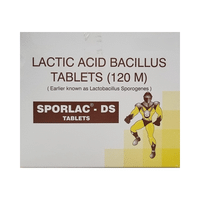 Sporlac DS Tablet | For Stomach Care₹ 224.16
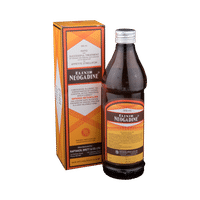 Neogadine Elixir₹ 233.5
 Softovac Bowel Regulator for Effective Relief from Constipation₹ 215
 Colicaid Infant & Toddler Drop | For Infant Colic, Griping Pain & Flatulence₹ 93.75
 Gelusil MPS Antacid & Antigas Original Liquid | For Acidity, Hurtburns, Gas & Stomach Care | Sugar-Free | Mint Flavour Mint₹ 173.52
 Itone Eye Drop | For Healthy Vision & Eye Care₹ 64.69
 Vitazyme Syrup₹ 121.88
Esomefol Tablet साठी निपुण सल्ला
- वर्षातून एकदा शरीरातील मैग्नेशियमची पातळी जाणण्यासाठी रक्ततपासणी करा, दीर्घकाळ उपचार चालल्यावर Esomeprazole ्चा उपयोग करताना तुम्हाला मैग्नेशियम सप्लीमेंटची आवश्यकता लागू शकते.
- दीर्घकाळापर्यंत Esomeprazole चा उपयोग केल्याने हाडे दुर्बळ होऊ शकतात किंवा तूटू शकतात.
Esomefol 40mg Tabletसाठी नेहमी विचारले जाणारे प्रश्न
Esomeprazole
Q. What is the best time to take Esomefol Tablet?
Usually, Esomefol Tablet is taken once a day, first thing in the morning. If you take Esomefol Tablet twice a day, take 1 dose in the morning and 1 dose in the evening. The tablets should be swallowed whole (remember not be chewed or crushed) and taken at least 1 hour before a meal with some water.
Q. Can I take antacids along with Esomefol Tablet?
Yes, you can take antacids along with Esomefol Tablet. Take it 2 hours before or after you take Esomefol Tablet.
Q. Can I take Esomefol Tablet for a long term?
Esomefol Tablet is usually prescribed for short-term use only. However, if need arises, such as for treating peptic ulcer disease and Zollinger-Ellison syndrome (ZES), Esomefol Tablet may be prescribed for a long-term duration as well. Long-term use may carry an increased risk for side effects and must be discussed with the doctor. Please use Esomefol Tablet as advised by your doctor and under their supervision.