






Rs.69for 1 strip(s) (10 tablets each)

C Bect Tablet માટે આંતરક્રિયાનો ખોરાક
C Bect Tablet માટે આંતરક્રિયાનો આલ્કોહોલ
C Bect Tablet માટે આંતરક્રિયાનો સગર્ભાવસ્થા
C Bect Tablet માટે આંતરક્રિયાનો સ્તનપાન
ખોરાક
આલ્કોહોલ
સગર્ભાવસ્થા
સ્તનપાન
C Bect 1000mg Tablet may be taken with or without food.
Avoid C Bect 1000mg Tablet with caffeine and chocolate as well as food containing caffeine and chocolate such as tea leaves, cocoa beans.
Avoid C Bect 1000mg Tablet with caffeine and chocolate as well as food containing caffeine and chocolate such as tea leaves, cocoa beans.
CAUTION
Alcohol should be used with caution while taking C Bect 1000mg Tablet.
CAUTION
The safety of C Bect 1000mg Tablet during pregnancy has not been established. There are no adequate and well-controlled studies in pregnant women, and animal data on reproductive toxicity are insufficient. Your doctor will weigh the benefits and any potential risks before prescribing.
CONSULT YOUR DOCTOR
C Bect 1000mg Tablet should be used with caution during breastfeeding. Breastfeeding should be held until the treatment of the mother is completed and the drug is eliminated from the body.
CAUTION
C Bect 1000mg Tablet માટે સોલ્ટની માહિતી
Ciprofloxacin(1000mg)
C bect tablet ઉપયોગ
{med_name} is used in the treatment of bacterial infections. It is also used in infections of urinary tract, tonsils, sinus, nose, throat, female genital organ, skin and soft tissues and lungs (pneumonia).
C bect tablet કેવી રીતે કાર્ય કરે
C Bect 1000mg Tablet is an antibiotic. It works by stopping the action of a bacterial enzyme called DNA-gyrase. This prevents the bacterial cells from dividing and repairing, thereby killing them.
C bect tablet ની સામાન્ય આડઅસરો
Dizziness, Headache, Gastrointestinal disorder, Nausea, Diarrhea
C Bect Tablet માટે સબસ્ટિટ્યુટ
8 સબસ્ટિટ્યુટ
8 સબસ્ટિટ્યુટ
Sorted By
 Rs. 51.62pay 47% more per Tablet
- Rs. 79.74pay 13% more per Tablet
- Rs. 103.13pay 46% more per Tablet
- Rs. 56.25pay 60% more per Tablet
- Rs. 70.31pay 100% more per Tablet
સંબંધિત પ્રૉડક્ટ
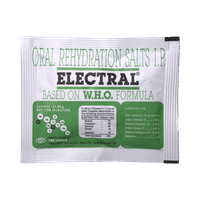 Electral Powder | for Replenishing Body Fluids & Electrolytes | For Stomach Care₹ 23.05
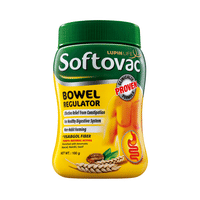 Softovac Bowel Regulator for Effective Relief from Constipation₹ 215
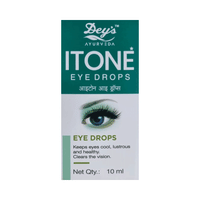 Itone Eye Drop | For Healthy Vision & Eye Care₹ 64.69
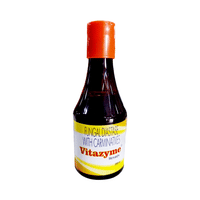 Vitazyme Syrup₹ 121.88
 New I-Site Capsule₹ 216.23
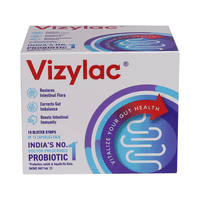 Vizylac Capsule | For Stomach Care | Restores Intestinal Flora & Intestinal Immunity₹ 94.73
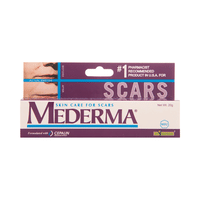 Mederma Skincare Scar Gel | For Scars Resulting from Injury, Burns, Surgery, Acne & Cut Marks | Derma Care₹ 999
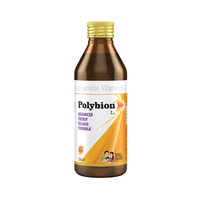 Polybion Lc Syrup Delicious Mango₹ 215.25
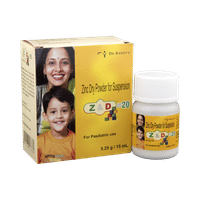 Z&D DS 20 Suspension₹ 120.98
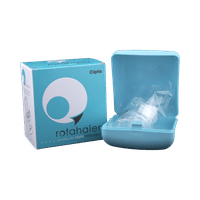 Rotahaler Device₹ 190.5
C Bect Tablet માટે નિષ્ણાતની સલાહ
- Your doctor has prescribed Ciprofloxacin to cure your infection and improve symptoms.
- Do not skip any doses and finish the full course of treatment even if you feel better.
- Discontinue Ciprofloxacin and inform your doctor immediately if you get a rash, itchy skin, swelling of face and mouth, or have difficulty in breathing.
- Diarrhea may occur as a side effect but should stop when your course is complete. Inform your doctor if it doesn't stop or if you find blood in your stools.
- Notify your doctor if you feel pain in your tendons, numbness, or tingling sensations.
- Inform your doctor if you are pregnant or planning to conceive or breastfeeding.
C Bect 1000mg Tablet માટે વારંવાર પૂછાતાં પ્રશ્નો
Ciprofloxacin
Q. Is C Bect 1000mg Tablet safe?
C Bect 1000mg Tablet is a relatively safe drug. However, it is not devoid of side effects and hence should only be taken if prescribed by a doctor in the appropriate dose, frequency, and duration as advised.
Q. Can the use of C Bect 1000mg Tablet cause diarrhea?
Yes, the use of C Bect 1000mg Tablet can cause diarrhea. It is an antibiotic which kills the harmful bacteria. However, it also affects the helpful bacteria in your stomach or intestine and causes diarrhea. If you are experiencing severe diarrhea, talk to your doctor about it.
Q. Can I stop taking C Bect 1000mg Tablet when I feel better?
No, do not stop taking C Bect 1000mg Tablet and complete the full course of treatment even if you feel better. Your symptoms may improve before the infection is completely cured.