






Rs.470.27for 1 prefilled syringe(s) (0.4 ml Injection each)

food interaction for Zeroklot Injection
alcohol interaction for Zeroklot Injection
pregnancy interaction for Zeroklot Injection
lactation interaction for Zeroklot Injection
food
alcohol
pregnancy
lactation
No interaction found/established
It is not known whether it is safe to consume alcohol with Zeroklot Injection. Please consult your doctor.
CONSULT YOUR DOCTOR
The safety of Zeroklot Injection during pregnancy has not been established. There are no adequate and well-controlled studies in pregnant women, and animal data on reproductive toxicity are insufficient. Your doctor will weigh the benefits and any potential risks before prescribing.
CONSULT YOUR DOCTOR
Zeroklot Injection may be safe to use during breastfeeding. Animal studies have shown low or no adverse effects to the developing baby; however, there are limited human studies.
Zeroklot Injection is released in small amounts in the breast milk and amounts reaching the baby are also small, which would not be expected to cause any harmful effects to the baby.
Zeroklot Injection is released in small amounts in the breast milk and amounts reaching the baby are also small, which would not be expected to cause any harmful effects to the baby.
SAFE IF PRESCRIBED
SALT INFORMATION FOR Zeroklot 40mg Injection
Enoxaparin(40mg)
Zeroklot injection uses
{med_name} is used to prevent deep vein thrombosis, pulmonary embolism and acute coronary syndrome. It prevents the formation of blood clots in the legs, lungs, brain or heart.
How zeroklot injection works
Zeroklot Injection works by slowing down the blood-clotting process in the body. It helps stop existing clots from growing bigger and prevents new clots from forming. This reduces the risk of clots blocking blood flow in the veins or arteries, helping protect the heart, lungs, and circulation during treatment.
Common side effects of zeroklot injection
Anemia (low number of red blood cells), Edema (swelling), Diarrhea, Low blood platelets, Bleeding, Fever, Injection site pain, Elevations of aminotransferases, Nausea, Ecchymosis (discoloration of the skin resulting from bleeding underneath), Peripheral edema, Breathlessness, Confusion
SUBSTITUTES FOR Zeroklot Injection
159 Substitutes
159 Substitutes
Sorted By
 Rs. 478.49same price
- Rs. 470.25same price
- Rs. 478.54save 37% more per ml of Injection
- Rs. 478.51same price
- Rs. 470.34same price
Related Products
 Himalaya Septilin Tablet | for Treatment and Management of Various Infections | Prevents Recurrence of Infections₹ 275
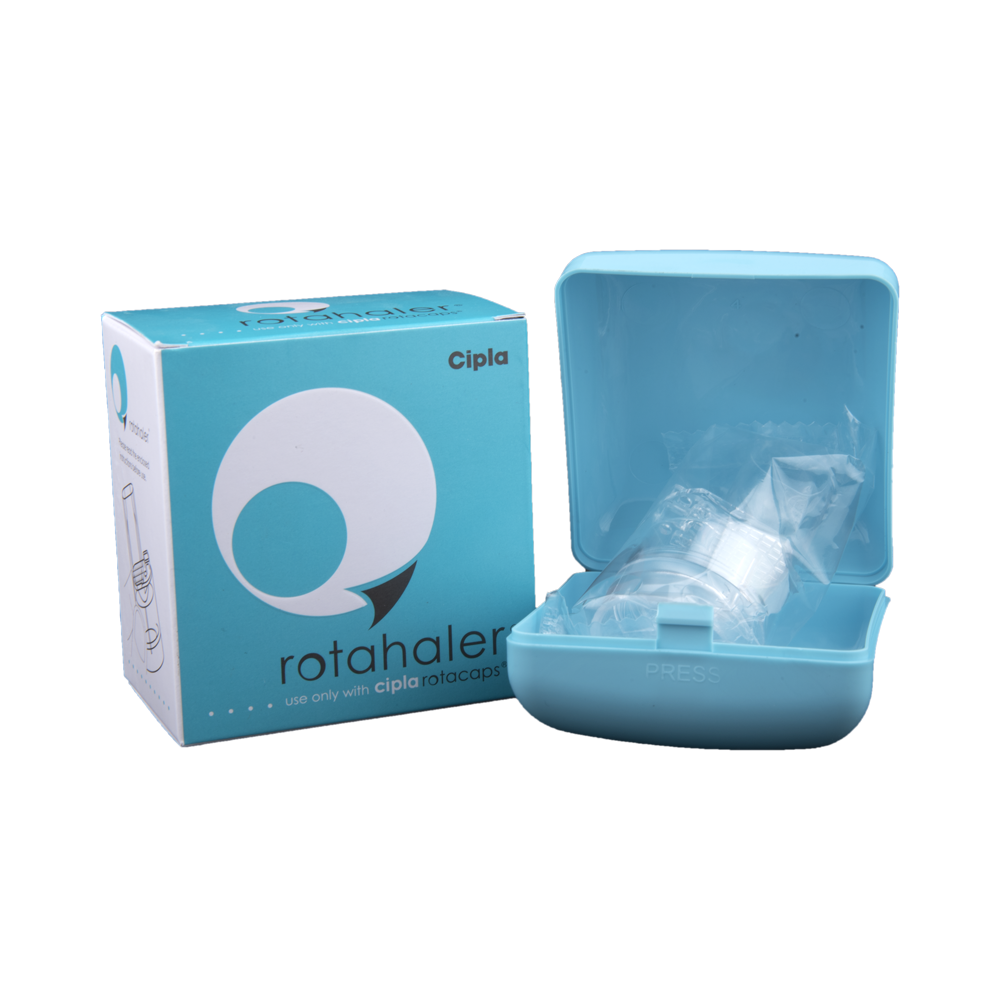 Rotahaler Device₹ 190.5
 Himalaya Septilin Syrup | Anti-Infective Therapy | For Immunity₹ 225
 Primosa 1000 Evening Primrose Oil Softgel₹ 539
 Dabur Honitus Honey-Based Ayurvedic Cough Syrup | Fast Relief from Cough, Cold & Sore Throat | Non-Drowsy₹ 121
 Lupihaler Inhaler₹ 335.9
 B-Fit-CD Tablet₹ 246.57
 Zerostat VT Spacer with Flow Gate Valve₹ 599
 Bevon -CD Capsule₹ 177.8
 Revolizer Device₹ 371.5
Expert advice FOR Zeroklot Injection
- You have been prescribed Enoxaparin for conditions associated with the treatment and prevention of blood clots.
- Enoxaparin increases your risk of bleeding. Be careful while shaving, using sharp objects, or cutting fingernails or toenails.
- Inform your doctor if you are also taking other medicines thatincrease the bleeding risk, like aspirin and NSAIDs.
- Inform your doctor if there is bleeding from gums, nose, or wounds that lasts more than 15 minutes or if blood appears in your urine, stool, or vomit.
Frequently asked questions FOR Zeroklot 40mg Injection
Enoxaparin
Q. What is Zeroklot Injection used for?
Zeroklot Injection is used to prevent and treat blood clots in conditions such as deep vein thrombosis (DVT) and pulmonary embolism (PE). It is also used in certain acute heart conditions, including unstable angina and heart attacks, to reduce the risk of serious clot-related complications.
Q. How is Zeroklot Injection given?
Zeroklot Injection is given as an injection under the skin (subcutaneous injection), usually in the abdomen. In some heart attack cases, an initial dose may be given into a vein, followed by injections under the skin.
Q. For how long will I need to take Zeroklot Injection?
The duration of treatment depends on the condition being treated. For blood clots like DVT or PE, treatment usually lasts several days and may be followed by oral blood thinners. In heart conditions, it is generally used for a short period until the condition stabilises or hospital treatment is completed.