







Available in other variants
food interaction for Viveta
alcohol interaction for Viveta
pregnancy interaction for Viveta
lactation interaction for Viveta
medicine interaction for Viveta
food
alcohol
pregnancy
lactation
medicine
No interaction found/established
No interaction found/established
The safety of Viveta Cream during pregnancy has not been established. There are no adequate and well-controlled studies in pregnant women, and animal data on reproductive toxicity are insufficient. Your doctor will weigh the benefits and any potential risks before prescribing.
CONSULT YOUR DOCTOR
Information regarding the use of Viveta Cream during breastfeeding is not available. Please consult your doctor.
CONSULT YOUR DOCTOR
No interaction found/established
SALT INFORMATION FOR Viveta
Lidocaine(7% w/w)
Uses
How it works
Lidocaine is a local anesthetic. It works by blocking the transmission of pain signals from the nerves to the brain. This helps to decrease the sensation of pain.
Common side effects
Allergic reaction, Application site reactions (burning, irritation, itching and redness)
Tetracaine(7% w/w)
Uses
Tetracaine is used for local anesthesia.
How it works
Tetracaine works by blocking pain signals from the peripheral nerves to brain which decreases the sensation of pain.
Common side effects
Dermatitis, Eye irritation, Transient stinging, Transient burning, Conjunctival redness, Eye pain, Nervousness, Dizziness, Blurred vision, Tremors, Drowsiness, Convulsion, Nausea, Vomiting, Post-spinal headache, Hypotension (low blood pressure), Edema (swelling), Urticaria
SUBSTITUTES FOR Viveta
2 Substitutes
2 Substitutes
Sorted By
 Rs. 154.69pay 50% more per gm of Cream
- Rs. 585.94save 2% more per gm of Cream
Related Products
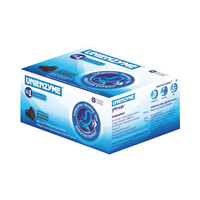 Unienzyme Tablet with Activated Charcoal | For Indigestion, Bloating & Gas | Stomach Care & Liver Care₹ 96.56
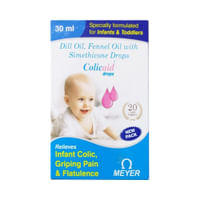 Colicaid Infant & Toddler Drop | For Infant Colic, Griping Pain & Flatulence₹ 93.75
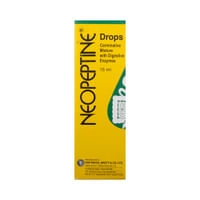 Neopeptine Drop | Carminative Mixture with Digestive Enzymes₹ 111.5
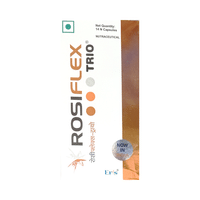 Rosiflex Trio Capsule with Rosehip Extract, Boswellia Serrata & Devil's Claw Extract₹ 732.73
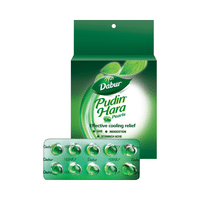 Dabur Pudin Hara Pearls | For Indigestion, Gas & Stomach Ache₹ 32
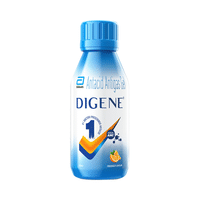 Digene Antacid Antigas Gel | For Acidity, Gas, Heartburn & Stomach Care | Flavour Orange₹ 180.7
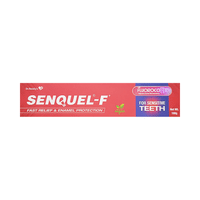 Senquel-F Medicated Toothpaste | For Sensitive Teeth & Gums | Fast Relief & Enamel Protection₹ 190
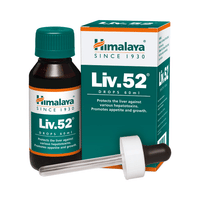 Himalaya Liv.52 Oral Drops₹ 145
 B-Fit-CD Tablet₹ 246.57
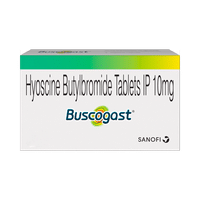 Buscogast Hyoscine Butylbromide Tablets IP 10mg | For Abdomen Pain, Cramps & Spasms₹ 45.78
Expert advice FOR Viveta
- Lidocaine is prescribed to relieve itching and pain caused by scrapes, burns, rashes, bites and eczema.
- Apply it over the affected area with a clean fingertip, three to four times a day or as directed by your doctor.
- Do not apply it to broken or infected areas of skin, face, eyes or eyelids unless instructed to by your doctor.
- Do not cover the area being treated with airtight dressings such as bandages unless directed by a doctor, as this may increase the risk of side effects.
- Avoid contact with eyes, mouth, and nose. In case of accidental contact, rinse thoroughly with water.
- Consult your doctor if your skin condition has not improved after 2-4 weeks of treatment.
- Inform your doctor if you are pregnant, planning pregnancy or breastfeeding.
Frequently asked questions FOR Viveta
Lidocaine
Q. What is Lidocaine used for?
This medication is usually applied by a healthcare professional to the area being treated or to the medical equipment as part of a medical procedure. It helps to numb the area and reduces the discomfort associated with the insertion of medical instruments such as needles or catheters. It also helps to reduce the pain and inflammation in conditions such as heamorrhoids (piles) and anal fissures.
Q. Is Lidocaine toxic?
If Lidocaine is used under the supervision of a doctor or as directed by your doctor, it is generally safe to use. However, using more than what is recommended may lead to a number of serious health issues such as numbness of mouth and throat if swallowed. This can lead to difficulty swallowing and even choking.
Q. How long does it take for Lidocaine to work?
Lidocaine is applied at the start of a medical procedure and takes 3-5 minutes for the numbing effect to occur.