







food interaction for Trilith Tablet SR
alcohol interaction for Trilith Tablet SR
pregnancy interaction for Trilith Tablet SR
lactation interaction for Trilith Tablet SR
food
alcohol
pregnancy
lactation
Trilith 450mg Tablet SR should be taken with or after food.
None
None
CAUTION
It is not known whether it is safe to consume alcohol with Trilith 450mg Tablet SR. Please consult your doctor.
CONSULT YOUR DOCTOR
Trilith 450mg Tablet SR is not recommended during pregnancy as there is positive evidence of fetal risk based on animal studies. However, it may still be prescribed by a doctor in situations where the benefits outweigh the risks.
CONSULT YOUR DOCTOR
Trilith 450mg Tablet SR is unsafe to use during breastfeeding. Data suggests that the drug may cause toxicity to the baby.
UNSAFE
SALT INFORMATION FOR Trilith 450mg Tablet SR
Lithium carbonate(450mg)
Trilith tablet sr uses
{med_name} is used for mania and Bipolar disorder.
How trilith tablet sr works
Trilith 450mg Tablet SR works by suppressing the abnormal and excessive activity of the nerve cells in the brain.
Common side effects of trilith tablet sr
Nausea, Hand tremors, Vomiting, Polyuria, Blurred vision, Increased thirst, Tremors, Fatigue, Hyperthyroidism, Dizziness, Rash, Dermatitis, Abnormality of voluntary movements, Abnormal gait, Decreased appetite
SUBSTITUTES FOR Trilith Tablet SR
19 Substitutes
19 Substitutes
Sorted By
 Rs. 56.25pay 59% more per Tablet SR
- Rs. 39.78pay 13% more per Tablet SR
- Rs. 36.09pay 2% more per Tablet SR
- Rs. 51.56pay 46% more per Tablet SR
- Rs. 43.97pay 25% more per Tablet SR
Related Products
 HealthOK Syrup₹ 142
 Himalaya Mentat Syrup₹ 257
 Multivite Gold Essential Vitamins & Minerals Tabgels for General Health & Wellness₹ 395
 Himalaya Mentat Tablet₹ 206
 Recharje Plus Capsule₹ 145.72
 OPTIneuron Forte Tablet₹ 13.45
 Neurozan Tablet with Serine, Choline, Gingko Biloba & Coenzyme Q10 | Gluten Free₹ 726
 Rediva MA Tablet₹ 309.3
 Dabur Stresscom Ashwagandha Capsule | Manages Fatigue, Weakness & Stress₹ 90
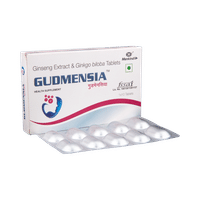 Gudmensia Tablet₹ 112.5
Expert advice FOR Trilith Tablet SR
- Lithium carbonate is one of the most effective long-term treatment for bipolar disorder.
- It may also be used for the treatment of mania.
- Your lithium blood levels, thyroid function, and kidney function may be monitored as long as you take this medicine.
- It may cause diarrhea and dehydration. Drink plenty of water and and use normal amounts of salt. Inform your doctor if you start or stop a low-salt diet.
- Monitor your weight during treatment as Lithium carbonate can cause weight gain.
- Do not drive or do anything that requires mental focus until you know how it affects you.
- Inform your doctor if you have persistent stomach upset, problems with your speech, or extreme drowsiness. Your dose may need to be adjusted.
- Do not take Lithium carbonate if you are pregnant or breastfeeding.
- Do not stop taking the medication suddenly without talking to your doctor.
Frequently asked questions FOR Trilith 450mg Tablet SR
Lithium carbonate
Q. How quickly does Trilith 450mg Tablet SR work?
It takes some time before you see improvement in your symptoms after taking Trilith 450mg Tablet SR. Though it varies from person to person, it may take 1-3 weeks or longer for you to see the full benefits of Trilith 450mg Tablet SR. Do not stop taking Trilith 450mg Tablet SR if you feel you are not improving. Instead, discuss it with your doctor.
Q. Does Trilith 450mg Tablet SR make you sleepy?
Yes, Trilith 450mg Tablet SR can cause nervous system disorders like sleepiness and dizziness and feeling confused. It can also cause rapid eye movements, blurred vision, or blind spots in your eyesight. If you experience any of these symptoms, consult your doctor. In addition, avoid driving or operating heavy machinery as it can be hazardous for you.
Q. Is Trilith 450mg Tablet SR bad for kidneys?
Yes, Trilith 450mg Tablet SR may cause kidney problems. Trilith 450mg Tablet SR is not prescribed in patients who already have severe kidney impairment. The kidney problems may not be reversible and the symptoms include swollen ankles, passing a lot of urine and feeling thirsty. Before starting treatment with Trilith 450mg Tablet SR, your doctor will get blood tests done to see if your kidney function is normal. During Trilith 450mg Tablet SR therapy, any gradual or sudden changes in renal function, even within the normal range, may indicate the need for re-evaluation of treatment.