






Rs.71.96for 1 vial(s) (5 ml Injection each)

food interaction for Tranemic Injection
alcohol interaction for Tranemic Injection
pregnancy interaction for Tranemic Injection
lactation interaction for Tranemic Injection
food
alcohol
pregnancy
lactation
No interaction found/established
It is not known whether it is safe to consume alcohol with Tranemic 500mg Injection. Please consult your doctor.
CONSULT YOUR DOCTOR
The safety of Tranemic 500mg Injection during pregnancy has not been established. There are no adequate and well-controlled studies in pregnant women, and animal data on reproductive toxicity are insufficient. Your doctor will weigh the benefits and any potential risks before prescribing.
CONSULT YOUR DOCTOR
Tranemic 500mg Injection may be unsafe to use during breastfeeding. Limited human data suggests that the drug may pass into the breastmilk and harm the baby. It should be used only if the expected benefit outweighs the potential risk. Please consult your doctor.
CONSULT YOUR DOCTOR
SALT INFORMATION FOR Tranemic 500mg Injection
Tranexamic Acid(500mg)
Tranemic injection uses
{med_name} is used in the treatment of bleeding. It is used to prevent or reduce bleeding for a short period of time in conditions like heavy periods, dysfunctional uterine bleeding, nosebleed, tooth removal, after prostate surgery or after bladder surgery.
How tranemic injection works
Tranemic 500mg Injection is an antifibrinolytic medicine. It works by blocking the action of plasmin, an enzyme that breaks down fibrin in blood clots. This helps prevent the premature breakdown of blood clots, thereby reducing or controlling bleeding.
Common side effects of tranemic injection
Nausea, Diarrhea, Vomiting
SUBSTITUTES FOR Tranemic Injection
98 Substitutes
98 Substitutes
Sorted By
 Rs. 73.22pay 2% more per ml of Injection
- Rs. 73.22pay 2% more per ml of Injection
- Rs. 70.63save 2% more per ml of Injection
- Rs. 55.79save 22% more per ml of Injection
- Rs. 56.96save 21% more per ml of Injection
Related Products
 Dettol Antiseptic Disinfectant Liquid₹ 91.33
 Dettol Antiseptic Disinfectant Liquid₹ 41.49
 Drez Tulle Bandage₹ 72.74
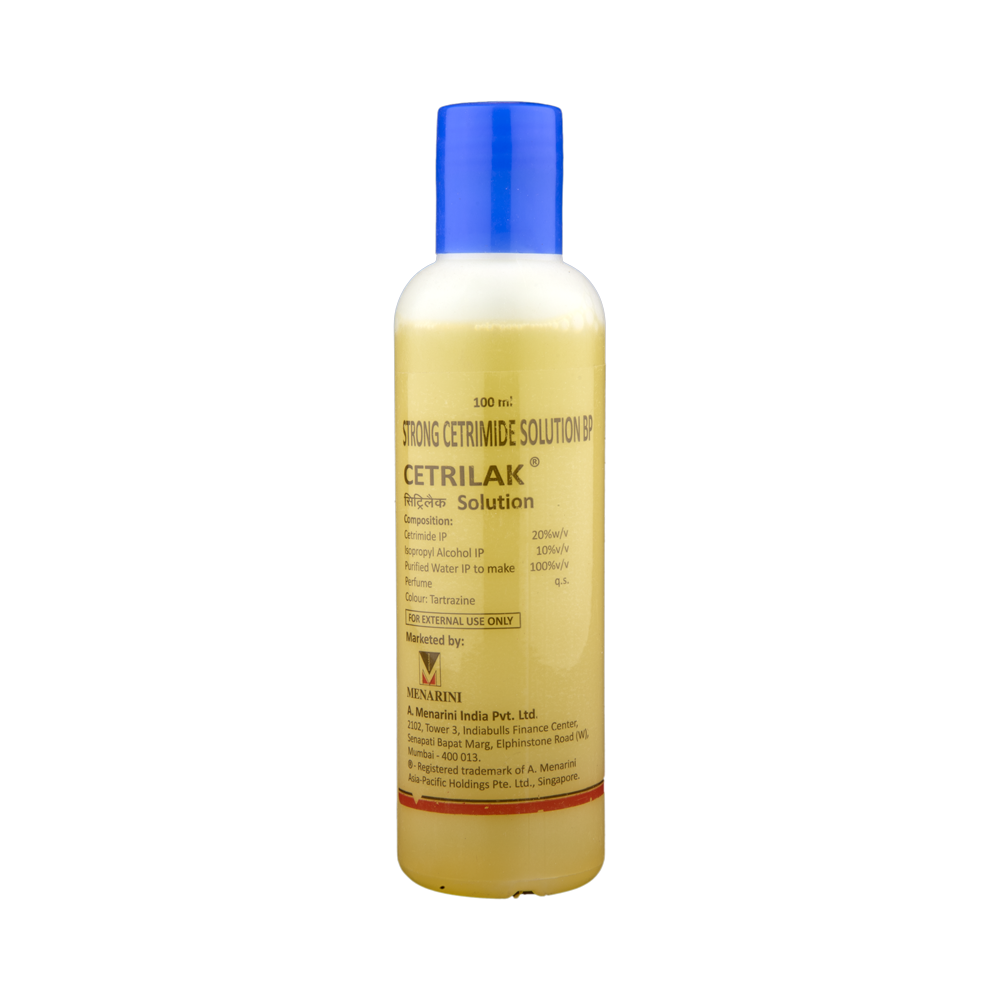 Cetrilak Strong 20% Solution₹ 30.84
 Dynaplast Bandage 10cmx4m₹ 739.69
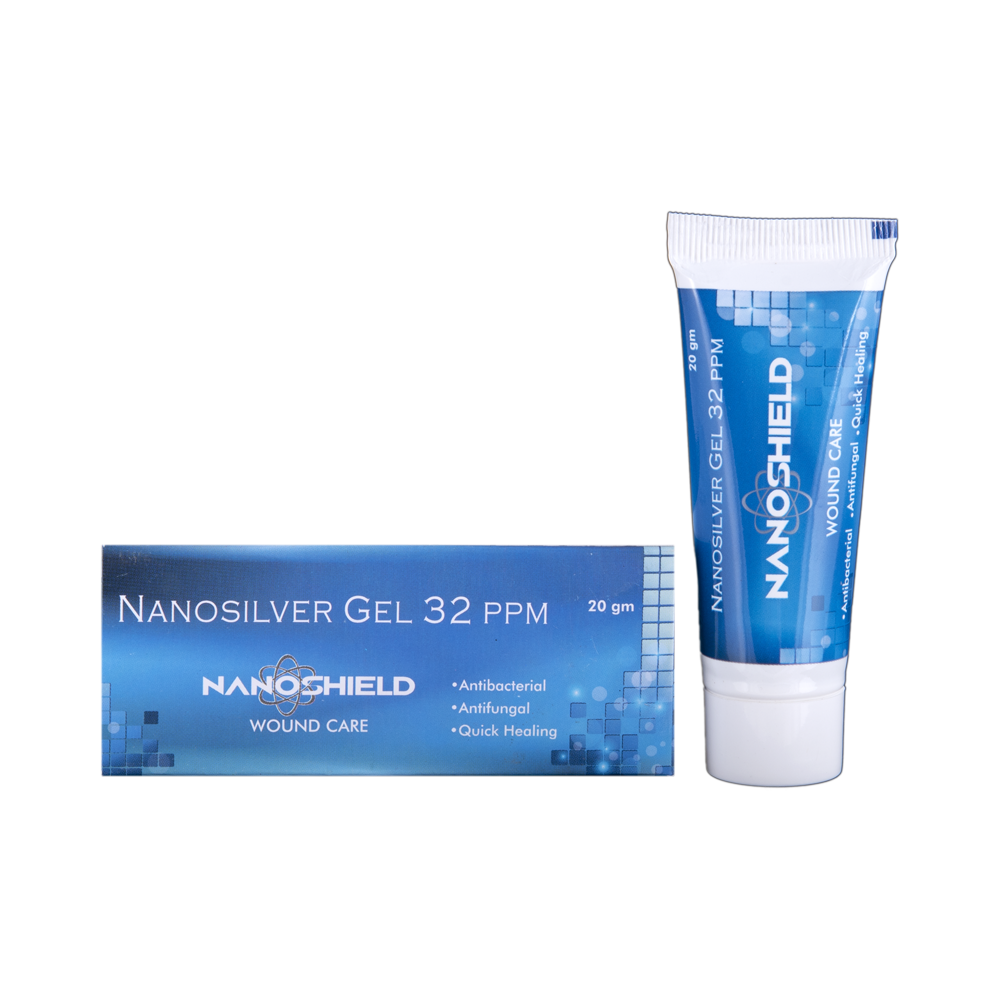 Nanoshield Gel₹ 89.06
 Dr. Patel's Cantharis Cream₹ 90
 Dr. Patel's Arnica Cream₹ 70
 1Mile Disposable Medical Examination Glove Medium₹ 524.06
 Nice Handy Medi Kit₹ 984.3
Expert advice FOR Tranemic Injection
- Tranexamic Acid should be administered slowly into a vein by a doctor or a nurse and should not be injected into a muscle.
- Tell your doctor if you have kidney problems, as your dose may need to be reduced. It should not be used in people with severe kidney impairment.
- Inform your doctor if you have a history or family history of blood clots. You may need closer monitoring during treatment.
- Tell your doctor if you have ever had seizures (fits), as Tranexamic Acid may increase the risk of seizures in some people.
- Tell your doctor about all medicines you take, especially blood thinners, medicines used to dissolve blood clots, or oral contraceptives, as these may affect your treatment or the risk of blood clots.
- Contact your doctor if you develop blurred vision, changes in color vision, or other eyesight problems. Regular eye examinations may be needed if you receive this medicine for a long time.
Frequently asked questions FOR Tranemic 500mg Injection
Tranexamic Acid
Q. Can Tranemic 500mg Injection be given or injected into muscles?
No, Tranemic 500mg Injection should not be administered by injection into the muscles. It should be given strictly by slow injection into the veins to prevent side effects.
Q. Can Tranemic 500mg Injection affect the color vision of eyes?
Yes, there are chances of disturbances in your colour vision when you are on long term treatment with Tranemic 500mg Injection. Hence, regular eye checks should be done during treatment, and your doctor should be informed if you notice any change in your vision. If any changes are seen, your doctor may stop the medicine and suggest an alternative.
Q. Can Tranemic 500mg Injection cause pulmonary embolism?
Tranemic 500mg Injection promotes blood clotting and can rarely cause a blood clot to travel to the lungs (pulmonary embolism), which can sometimes be fatal. Pulmonary embolism is not a common side effect in patients taking Tranemic 500mg Injection but can occur in overdosing, patients with prolonged bed rest, or in prone individuals. Evidence suggests the increased risk of clot can be due to some other additional risk factors as well.