







food interaction for Tayo Tablet
alcohol interaction for Tayo Tablet
pregnancy interaction for Tayo Tablet
lactation interaction for Tayo Tablet
food
alcohol
pregnancy
lactation
Tayo Soft 60K Tablet should be taken with or after food.
None
None
CAUTION
It is not known whether it is safe to consume alcohol with Tayo Soft 60K Tablet. Please consult your doctor.
CONSULT YOUR DOCTOR
Tayo Soft 60K Tablet is generally considered safe to use during pregnancy. Animal studies do not indicate harmful effects. However, there are limited human studies.
SAFE IF PRESCRIBED
Tayo Soft 60K Tablet may be safe to use during breastfeeding. Animal studies have shown low or no adverse effects to the developing baby; however, there are limited human studies.
SAFE IF PRESCRIBED
SALT INFORMATION FOR Tayo 60000IU Tablet
Vitamin D3(60000IU)
Tayo tablet uses
{med_name} is used in the treatment of osteoporosis and Vitamin D deficiency.
How tayo tablet works
Tayo Soft 60K Tablet is a form of vitamin D. It raises vitamin D levels in your blood. This, in turn, increases calcium levels in your blood by helping you absorb more calcium from food.
Common side effects of tayo tablet
No common side effects seen
SUBSTITUTES FOR Tayo Tablet
15 Substitutes
15 Substitutes
Sorted By
 Rs. 94.50pay 2% more per Tablet
- Rs. 233.44save 4% more per Tablet
- Rs. 94.50pay 2% more per Tablet
- Rs. 129.08save 31% more per Tablet
- Rs. 93.75pay 1% more per Tablet
Related Products
 Shelcal 500 Calcium+Vitamin D3 Tablet | For Bones, Joints, Muscles Care | Supports Immunity | Daily Mineral Blend₹ 163.45
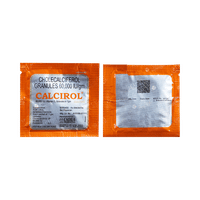 Calcirol 60K IU Cholecalciferol Sachet | For Bone Health₹ 36.3
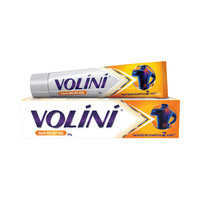 Volini Pain Relief Gel for Sprain, Muscle, Joint, Neck & Low Back Pain | Bone, Joint & Muscle Care₹ 160
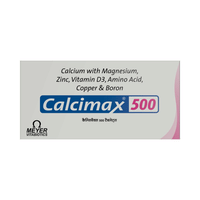 Calcimax 500 Tablet for Bone Health | Calcium, Vitamin D & Magnesium for Bone, Joint & Muscle Care | Indian Pharmacopoeia IP Grade Calcium Carbonate₹ 416
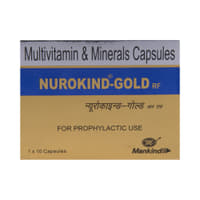 NuROKIND -Gold RF Multivitamin & Mineral Capsule | Promotes Overall Health | Bone, Joint & Muscle Care₹ 113.31
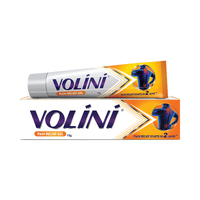 Volini Pain Relief Gel for Sprain, Muscle, Joint, Neck & Low Back Pain | Bone, Joint & Muscle Care₹ 77.81
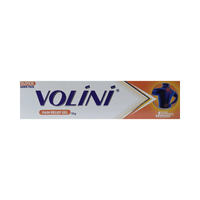 Volini Pain Relief Gel for Sprain, Muscle, Joint, Neck & Low Back Pain | Bone, Joint & Muscle Care₹ 232
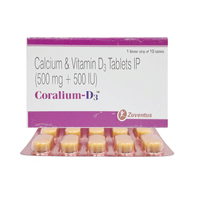 Coralium-D3 Tablet₹ 184.45
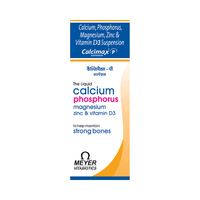 Calcimax P Suspension with Calcium, Magnesium Zinc & Vitamin D3 | For Strong Bones | Advanced Vitamin & Mineral Formula₹ 192
 Volini Pain Relief Gel for Sprain, Muscle, Joint, Neck & Low Back Pain | Bone, Joint & Muscle Care₹ 272
Expert advice FOR Tayo Tablet
- Your doctor has prescribed Vitamin D3 for the treatment of vitamin D3 deficiency.
- Take it as per the dose and duration suggested by your doctor.
- It should be taken with food for faster absorption of medicine.
- To help manage vitamin D deficiency, get 10–40 minutes of sun exposure 3 times a week (20–30 minutes for light skin, 30–40 for dark skin) and eat a vitamin D-rich diet including egg yolk, mushrooms, dairy, fortified foods, and oily fish.
- When taken at night, it might affect your sleep pattern. To avoid this, it is better to take it in the daytime.
- Do not take antacids or any other medication 2 hours before or after taking Vitamin D3.
- Inform your doctor if you notice nausea, vomiting, poor appetite, constipation, weakness, and weight loss while taking this medicine.
Frequently asked questions FOR Tayo 60000IU Tablet
Vitamin D3
Q. Is it better to take Tayo Soft 60K Tablet at night or in the morning?
You can take Tayo Soft 60K Tablet at any time, morning or night. However, limited information is available about the best time to take it. Take it strictly as advised by your doctor.
Q. What are the benefits of taking Tayo Soft 60K Tablet?
Tayo Soft 60K Tablet is vital for maintaining bone health and supporting the health of the immune system, brain, and nervous system. It regulates insulin levels and is important for a healthy heart and blood vessels.
Q. How should Tayo Soft 60K Tablet be taken?
Tayo Soft 60K Tablet should be swallowed whole with water and not crushed or chewed. It is advised to take it with the main meal of the day to increase its absorption.