






Rs.397for 1 tube(s) (10 gm Ointment each)
Available in other variants

food interaction for Tacoba Ointment
alcohol interaction for Tacoba Ointment
pregnancy interaction for Tacoba Ointment
lactation interaction for Tacoba Ointment
medicine interaction for Tacoba Ointment
food
alcohol
pregnancy
lactation
medicine
No interaction found/established
No interaction found/established
Information regarding the use of Tacoba Forte 0.1% Ointment during pregnancy is not available. Please consult your doctor.
CONSULT YOUR DOCTOR
Tacoba Forte 0.1% Ointment may be safe to use during breastfeeding. Animal studies have shown low or no adverse effects to the developing baby; however, there are limited human studies.
SAFE IF PRESCRIBED
No interaction found/established
SALT INFORMATION FOR Tacoba 0.1% w/w Ointment
Tacrolimus(0.1% w/w)
Tacoba ointment uses
{med_name} is used for Atopic dermatitis.
How tacoba ointment works
Tacoba Forte 0.1% Ointment is an immunosuppressant. It works by suppressing the activity of certain immune cells that cause inflammation (redness and swelling) of the skin. This relieves itching and improves rashes in atopic dermatitis.
Common side effects of tacoba ointment
Application site burning, Application site itching
SUBSTITUTES FOR Tacoba Ointment
151 Substitutes
151 Substitutes
Sorted By
 Rs. 562.50pay 42% more per gm of Ointment
- Rs. 853.13pay 7% more per gm of Ointment
- Rs. 384.38save 3% more per gm of Ointment
- Rs. 761.35pay 92% more per gm of Ointment
- Rs. 405pay 104% more per gm of Ointment
Related Products
 Becosules Capsule with B-Complex & Vitamin C | For Mouth Ulcers₹ 62.37
 Shelcal 500 Calcium+Vitamin D3 Tablet | For Bones, Joints, Muscles Care | Supports Immunity | Daily Mineral Blend₹ 163.45
 Dexorange Hematinic Syrup with Iron, Folic Acid & Vitamin B12₹ 217.3
 Zincovit Tablet with Multivitamin, Multimineral & Grape Seed Extract₹ 107.6
 Zincovit Multivitamin & Multimineral Syrup | Helps Build Immunity₹ 160.1
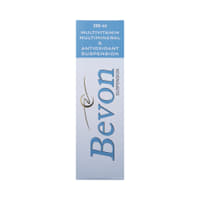 Bevon Suspension | With Essential Vitamins | Nutrition Booster₹ 198.2
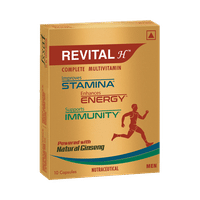 Revital H Multivitamin with Natural Ginseng for Immunity, Strong Bones & Energy₹ 110
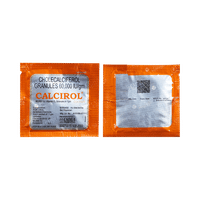 Calcirol 60K IU Cholecalciferol Sachet | For Bone Health₹ 36.3
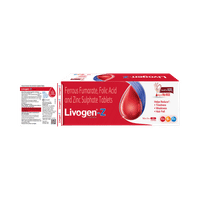 Livogen Z | Management of Iron Deficiency Anemia₹ 108.92
 Revital H Multivitamin with Natural Ginseng for Immunity, Strong Bones & Energy₹ 315
Expert advice FOR Tacoba Ointment
- Tacrolimus is effective at treating eczema (atopic dermatitis) when other treatment options have failed.
- Apply thinly to affected areas of skin only. Clean the affected area and dry well before applying Tacrolimus. Avoid contact with water after application.
- Inform your doctor if there's no improvement even after two weeks of treatment, or if the skin gets worse.
- Don't cover the area being treated with airtight dressings such as bandages unless directed by a doctor, as this may increase the risk of side effects.
- Stop using Tacrolimus and consult your doctor if your eczema becomes infected.
- Continuous long-term use of the ointment should be avoided. Use as prescribed by your doctor.
Frequently asked questions FOR Tacoba 0.1% w/w Ointment
Tacrolimus
Q. What is Tacoba Forte 0.1% Ointment used for?
Tacoba Forte 0.1% Ointment is used to treat moderate to severe eczema (atopic dermatitis) in adults who do not respond to steroids or develop side effects when using them. In atopic dermatitis, the skin’s immune system undergoes an overreaction, causing skin inflammation, leading to itchiness, redness, and dryness. Tacoba Forte 0.1% Ointment acts on the abnormal immune response and alters it, thereby relieving the skin inflammation and itchiness.
Q. Is Tacoba Forte 0.1% Ointment safe?
Compared to other immunosuppressing medicines, Tacoba Forte 0.1% Ointment is a safe and effective short-term treatment for atopic dermatitis. When applied to the affected part of the skin, its absorption into the blood and body is minimal. Hence, the side effects are less compared to when taken through the oral route.
Q. Does Tacoba Forte 0.1% Ointment cause cancer?
Long-term use of Tacoba Forte 0.1% Ointment has been found to have an increased risk of lymph node tumors called lymphoma. Some studies have found that a few patients who used Tacoba Forte 0.1% Ointment ointment or another similar medication developed skin cancer or lymphoma. Consult your doctor if you have to use Tacoba Forte 0.1% Ointment ointment for more than 6 weeks or if your eczema symptoms have not improved or are getting worse with time during your treatment.