






Rs.69.38for 1 packet(s) (15 ml Oral Drops each)

food interaction for Step-UP Oral Drops
alcohol interaction for Step-UP Oral Drops
pregnancy interaction for Step-UP Oral Drops
lactation interaction for Step-UP Oral Drops
food
alcohol
pregnancy
lactation
Step-UP Oral Drops may be taken with or without food.
None
None
CAUTION
Alcohol should be used with caution while taking Step-UP Oral Drops.
CAUTION
Step-UP Oral Drops is generally considered safe to use during pregnancy. Animal studies do not indicate harmful effects. However, there are limited human studies.
SAFE IF PRESCRIBED
Step-UP Oral Drops should be used with caution during breastfeeding. Breastfeeding should be held until the treatment of the mother is completed and the drug is eliminated from the body.
CAUTION
SALT INFORMATION FOR Step-UP 1mg Oral Drops
Cyproheptadine(1mg)
Step-up oral drops uses
{med_name} is used as allergic conditions and appetite stimulant.
How step-up oral drops works
Step-UP Oral Drops is an antihistamine medication. It blocks the action of certain chemical messengers that are responsible for inflammation, congestion, itching, and other allergic reactions. Due to constant increased energy intake and stimulation of growth hormone secretion, it stimulates the appetite too.
Common side effects of step-up oral drops
Sleepiness, Drowsiness
SUBSTITUTES FOR Step-UP Oral Drops
1 Substitutes
1 Substitutes
Sorted By
 Rs. 21.94save 68% more per ml of Oral Drops
Related Products
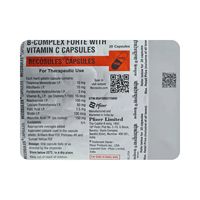 Becosules Capsule with B-Complex & Vitamin C | For Mouth Ulcers₹ 62.37
 Shelcal 500 Calcium+Vitamin D3 Tablet | For Bones, Joints, Muscles Care | Supports Immunity | Daily Mineral Blend₹ 163.45
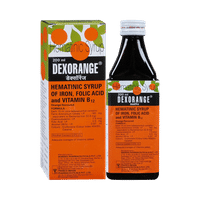 Dexorange Hematinic Syrup with Iron, Folic Acid & Vitamin B12₹ 217.3
 Electral Powder | for Replenishing Body Fluids & Electrolytes | For Stomach Care₹ 23.05
 Himalaya Liv.52 Syrup | For Liver Protection, Appetite & Liver Care₹ 234
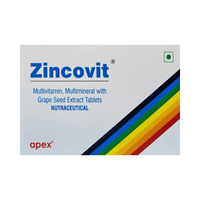 Zincovit Tablet with Multivitamin, Multimineral & Grape Seed Extract₹ 107.6
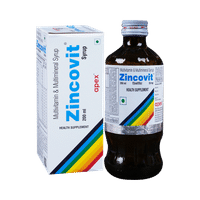 Zincovit Multivitamin & Multimineral Syrup | Helps Build Immunity₹ 160.1
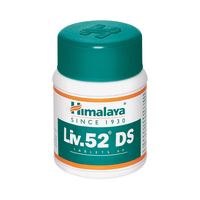 Himalaya Liv. 52 DS Tablet | Protect the Liver | Enhance Liver Functions | Supports Liver Health₹ 281
 Bevon Suspension | With Essential Vitamins | Nutrition Booster₹ 198.2
 Aristozyme Diastase & Pepsin Liquid | For Digestive Care & Stomach Care | Flavour Pineapple₹ 151.8
Expert advice FOR Step-UP Oral Drops
- Take Cyproheptadine as per dose and duration suggested by your doctor.
- Avoid driving or operating dangerous machinery as it may decrease alertness.
- Avoid consuming alcohol when taking the Cyproheptadine, as it may cause excessive sleepiness or drowsiness.
Frequently asked questions FOR Step-UP 1mg Oral Drops
Cyproheptadine
Q. What is Step-UP Oral Drops used for?
Step-UP Oral Drops is mainly used to treat allergy symptoms, such as sneezing, a runny nose, itchy eyes, and hives. It can also help with skin reactions like urticaria, and it is sometimes used to support appetite by stimulating hunger.
Q. Is Step-UP Oral Drops safe for children?
Step-UP Oral Drops should not be given to children under 2 years old, as it can cause serious side effects. In children aged 2 years and above, it may be used cautiously but only under a doctor's supervision, due to the risk of excitability or drowsiness.
Q. Can I take Step-UP Oral Drops if I have glaucoma or prostate problems?
No, Step-UP Oral Drops is not recommended for people with glaucoma (angle-closure), enlarged prostate, or bladder issues, as it may worsen these conditions. Always tell your doctor about existing health problems before using Step-UP Oral Drops.