






Rs.356for 1 strip(s) (10 tablets each)

food interaction for Saglipol Tablet
alcohol interaction for Saglipol Tablet
pregnancy interaction for Saglipol Tablet
lactation interaction for Saglipol Tablet
food
alcohol
pregnancy
lactation
Saglipol 2.5 Tablet may be taken with or without food.
None
None
CAUTION
It is not known whether it is safe to consume alcohol with Saglipol 2.5 Tablet. Please consult your doctor.
CONSULT YOUR DOCTOR
Saglipol 2.5 Tablet is generally considered safe to use during pregnancy. Animal studies do not indicate harmful effects. However, there are limited human studies.
SAFE IF PRESCRIBED
Information regarding the use of Saglipol 2.5 Tablet during breastfeeding is not available. Please consult your doctor.
CONSULT YOUR DOCTOR
SALT INFORMATION FOR Saglipol 2.5mg Tablet
Saxagliptin(2.5mg)
Saglipol tablet uses
{med_name} is used in the treatment of type 2 diabetes mellitus. It is used along with diet and exercise to improve blood sugar control in adults with type 2 diabetes.
How saglipol tablet works
Saglipol 2.5 Tablet is an antidiabetic medication. It works by increasing the release of insulin from the pancreas and decreasing the hormones that raise blood sugar levels. This reduces the fasting and postmeal sugar levels.
Common side effects of saglipol tablet
Peripheral edema, Hypoglycaemia (low blood sugar level) in combination with insulin or sulphonylurea, Upper respiratory tract infection, Urinary tract infection, Headache
SUBSTITUTES FOR Saglipol Tablet
5 Substitutes
5 Substitutes
Sorted By
 Rs. 623.90pay 25% more per Tablet
- Rs. 365.63pay 3% more per Tablet
- Rs. 511.88pay 3% more per Tablet
- Rs. 20.16save 94% more per Tablet
- Rs. 180.47save 56% more per Tablet
Related Products
 B-Fit-CD Tablet₹ 246.57
 New Nervijen Plus Soft Gelatin Capsule | With Methylcobalamin, ALA & Vitamins₹ 201.3
 Fresubin DM Nutrition for Diabetes Management | Flavour Cardamom Powder₹ 988.1
 Allstar Reusable Insulin Pen (Only Pen) | Diabetes Monitoring Devices₹ 1081
 D-Protin Nutritional Supplement for Diabetics | Flavour Powder Vanilla₹ 651.5
 E-COD Omega Vitamin E Softgels₹ 675
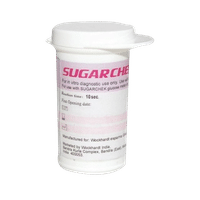 Sugarchek Test Strip₹ 744.38
 Setfrac Capsule₹ 240.9
 Aimil Amree Plus Capsule | Regulates Carbohydrate Metabolism & Reduces Fatigue₹ 163
 Berbesta Tablet₹ 197
Expert advice FOR Saglipol Tablet
- Saxagliptin should be taken at the same time every day since this helps you remember to take it.
- Be careful while driving or operating machinery until you know how Saxagliptin affects you.
- It may cause hypoglycemia (low blood sugar level) when used with other antidiabetic medicines, alcohol or if you delay or miss a meal.
- Always carry some sugary food or fruit juice with you in case you experience hypoglycemia symptoms such as cold sweats, cool pale skin, tremor and anxiety.
- Inform your doctor if you notice joint pains or develop symptoms such as stomach pain, nausea and/or vomiting.
Frequently asked questions FOR Saglipol 2.5mg Tablet
Saxagliptin
Q. Does Saglipol 2.5 Tablet cause any weight loss (reduction)?
No, Saglipol 2.5 Tablet neither causes weight loss nor weight gain. It is weight neutral. However, weight gain can be seen when Saglipol 2.5 Tablet is used with other antidiabetic medicines like thiazolidinediones, sulfonylureas or insulin.
Q. What is the benefit of using Saglipol 2.5 Tablet with insulin?
Saglipol 2.5 Tablet when taken with insulin can help in lowering the insulin dose and decrease the risk of hypoglycemia (low blood sugar levels). Consult your doctor as a dose adjustment of the two may be needed.
Q. Are there any contraindications to the use of Saglipol 2.5 Tablet?
Yes, the use of Saglipol 2.5 Tablet is contraindicated in some conditions like a history of allergy to Saglipol 2.5 Tablet, any ingredients of this drug or to any other drug of the same class. Saglipol 2.5 Tablet should also be avoided in patients with a history of pancreatitis.