






food interaction for Rosigon Tablet
alcohol interaction for Rosigon Tablet
pregnancy interaction for Rosigon Tablet
lactation interaction for Rosigon Tablet
food
alcohol
pregnancy
lactation
Rosigon 4mg Tablet may be taken with or without food.
None
None
CAUTION
Do not drink alcohol while you are taking this medicine. Rosigon 4mg Tablet may cause excessive drowsiness when taken with alcohol.
UNSAFE
Rosigon 4mg Tablet is not recommended during pregnancy as there is positive evidence of fetal risk based on animal studies. However, it may still be prescribed by a doctor in situations where the benefits outweigh the risks.
CONSULT YOUR DOCTOR
Rosigon 4mg Tablet should be used with caution during breastfeeding. Breastfeeding should be held until the treatment of the mother is completed and the drug is eliminated from the body.
CAUTION
SALT INFORMATION FOR Rosigon 4mg Tablet
Rosiglitazone(4mg)
Rosigon tablet uses
{med_name} is used in the treatment of type 2 diabetes mellitus.
How rosigon tablet works
Rosigon 4mg Tablet is an anti-diabetic medication. It works by increasing the body's sensitivity to insulin, a natural substance that helps control blood sugar levels.
Common side effects of rosigon tablet
Blurred vision, Numbness, Bone fracture, Respiratory tract infection
SUBSTITUTES FOR Rosigon Tablet
14 Substitutes
14 Substitutes
Sorted By
 Rs. 86.89pay 69% more per Tablet
- Rs. 10312.50pay 19904% more per Tablet
- Rs. 55.69pay 8% more per Tablet
- Rs. 56.53pay 10% more per Tablet
- Rs. 50.82save 1% more per Tablet
Related Products
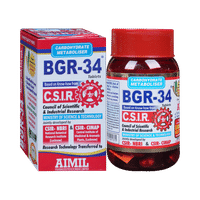 Aimil Bgr 34 Tablet Carbohydrate Metaboliser R&D by CSIR (100 Each)₹ 663
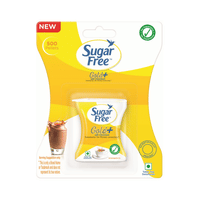 Sugar Free Gold Plus Low Calorie Sweetener₹ 300
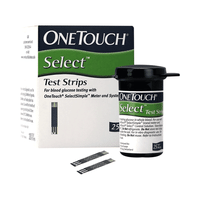 OneTouch Select Test Strip (Only Strips) | Diabetes Monitoring Devices | For use with OneTouch Select Simple Glucometer₹ 656
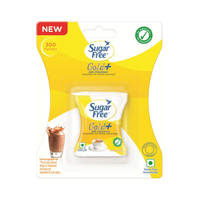 Sugar Free Gold Plus Low Calorie Sweetener₹ 206
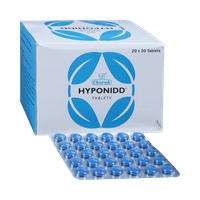 Charak Hyponidd Tablet | Herbal Insulin Sensitizer Tablet₹ 137.81
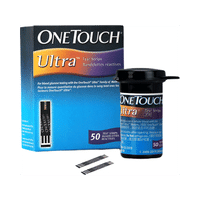 OneTouch Ultra Test Strip (Only Strips) | Diabetes Monitoring Devices₹ 1355
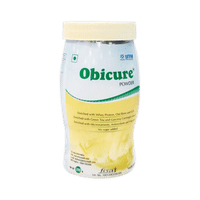 Obicure Whey Protein with CLA, Multivitamins & Minerals | Flavour Vanilla Powder₹ 605.08
 Sugar Free Natura Low Calorie Sucralose Sweetener | Powder₹ 154
 Mecobion -OD Tablet₹ 180.9
 Himalaya Diabecon DS Tablet | Manages Blood Sugar Level₹ 286
Expert advice FOR Rosigon Tablet
- Rosiglitazone has been withdrawn from the market due to an increased risk of heart attack and heart-related deaths.
- Rosiglitazone helps to control blood sugar level and avoid long-term complications.
- Full effects may be visible after several weeks of starting Rosiglitazone. Keep taking it as prescribed by your doctor.
- Weight gain, headache, and swelling due to fluid build-up may occur.
- Notify your doctor if you experience shortness of breath, heart problems, or any abnormal swelling.
- May not be suitable for patients with a history of heart failure or bladder cancer.
- You should continue to exercise regularly, eat a healthy diet, and take your other diabetes medicines along with Rosiglitazone.
- Take it only as per dose and duration suggested by your doctor.
- Monitor your blood sugar level regularly while taking this medicine.
- Your doctor may monitor your liver function. Inform your doctor if you notice symptoms like abdominal pain, yellowing of eyes and loss of appetite.
Frequently asked questions FOR Rosigon 4mg Tablet
Rosiglitazone
Q. Can Rosigon 4mg Tablet be used along with glimepiride in diabetes?
Rosigon 4mg Tablet when added to Glimepiride in patients with diabetes mellitus, has been found to significantly reduce plasma lipid levels and significant improvement in blood glucose control related to a reduction in the insulin resistance.
Q. How to use Rosigon 4mg Tablet?
Rosigon 4mg Tablet is an anti-diabetes drug used along with a proper diet and exercise program to control high blood sugar in patients with type 2 diabetes. Pioglitazone acts as an insulin sensitizer and decreases the extent of insulin resistance in the body too.
Q. How does Rosigon 4mg Tablet cause oedema?
Rosigon 4mg Tablet increases the permeability of fluid in tiny blood vessels called capillaries. This results in easier movement of fluids across the membrane and their consequent accumulation, resulting in oedema (puffiness). Also, Pioglitazone causes increased sodium and water reabsorption from the kidney that contributes to the oedema.