






Rs.13.50for 1 strip(s) (10 tablets each)

food interaction for Pjlith Tablet
alcohol interaction for Pjlith Tablet
pregnancy interaction for Pjlith Tablet
lactation interaction for Pjlith Tablet
food
alcohol
pregnancy
lactation
Pjlith 300mg Tablet should be taken with or after food.
None
None
CAUTION
It is not known whether it is safe to consume alcohol with Pjlith 300mg Tablet. Please consult your doctor.
CONSULT YOUR DOCTOR
Pjlith 300mg Tablet is not recommended during pregnancy as there is positive evidence of fetal risk based on animal studies. However, it may still be prescribed by a doctor in situations where the benefits outweigh the risks.
CONSULT YOUR DOCTOR
Information regarding the use of Pjlith 300mg Tablet during breastfeeding is not available. Please consult your doctor.
CONSULT YOUR DOCTOR
SALT INFORMATION FOR Pjlith 300mg Tablet
Lithium carbonate(300mg)
Pjlith tablet uses
{med_name} is used for mania and Bipolar disorder.
How pjlith tablet works
Pjlith 300mg Tablet works by suppressing the abnormal and excessive activity of the nerve cells in the brain.
Common side effects of pjlith tablet
Dryness in mouth, Headache, Nausea, Weight gain, Hand tremors, Confusion, Decreased memory, Feeling thirsty, Muscle weakness, Extrapyramidal symptoms, Increased level of thyroid hormones, Sexual dysfunction, Increased intracranial pressure, Drug-induced lupus syndrome, Increased calcium level in blood, ECG changes, Vertigo, Vomiting, Diarrhea, Polyuria, Acne, Increased white blood cell count
SUBSTITUTES FOR Pjlith Tablet
45 Substitutes
45 Substitutes
Sorted By
 Rs. 26.14pay 93% more per Tablet
- Rs. 26.03pay 89% more per Tablet
- Rs. 26.15pay 94% more per Tablet
- Rs. 26.14pay 86% more per Tablet
- Rs. 14.97pay 9% more per Tablet
Related Products
 Charak Sumenta Tablet₹ 146.25
 Goldcare Tablet₹ 73.86
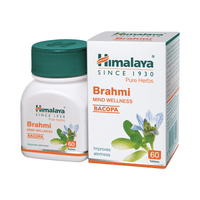 Himalaya Wellness Himalaya Brahmi Tablets | Mind Wellness| Improve Alertness Tablet₹ 260
 Himalaya Wellness Stress Relief Massage Oil₹ 183
 Biovital F Capsule₹ 160.17
 Pantoplex Syrup₹ 150
 Zandu Brento Tablet₹ 96.56
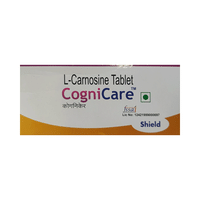 Cognicare Tablet₹ 320.3
 CaliBrain D Mango Suspension₹ 1041.1
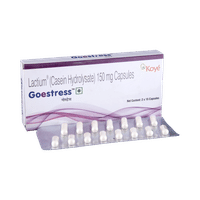 Goestress Capsule₹ 578.39
Expert advice FOR Pjlith Tablet
- Lithium carbonate is one of the most effective long-term treatment for bipolar disorder.
- It may also be used for the treatment of mania.
- Your lithium blood levels, thyroid function, and kidney function may be monitored as long as you take this medicine.
- It may cause diarrhea and dehydration. Drink plenty of water and and use normal amounts of salt. Inform your doctor if you start or stop a low-salt diet.
- Monitor your weight during treatment as Lithium carbonate can cause weight gain.
- Do not drive or do anything that requires mental focus until you know how it affects you.
- Inform your doctor if you have persistent stomach upset, problems with your speech, or extreme drowsiness. Your dose may need to be adjusted.
- Do not take Lithium carbonate if you are pregnant or breastfeeding.
- Do not stop taking the medication suddenly without talking to your doctor.
Frequently asked questions FOR Pjlith 300mg Tablet
Lithium carbonate
Q. How quickly does Pjlith 300mg Tablet work?
It takes some time before you see improvement in your symptoms after taking Pjlith 300mg Tablet. Though it varies from person to person, it may take 1-3 weeks or longer for you to see the full benefits of Pjlith 300mg Tablet. Do not stop taking Pjlith 300mg Tablet if you feel you are not improving. Instead, discuss it with your doctor.
Q. Does Pjlith 300mg Tablet make you sleepy?
Yes, Pjlith 300mg Tablet can cause nervous system disorders like sleepiness and dizziness and feeling confused. It can also cause rapid eye movements, blurred vision, or blind spots in your eyesight. If you experience any of these symptoms, consult your doctor. In addition, avoid driving or operating heavy machinery as it can be hazardous for you.
Q. Is Pjlith 300mg Tablet bad for kidneys?
Yes, Pjlith 300mg Tablet may cause kidney problems. Pjlith 300mg Tablet is not prescribed in patients who already have severe kidney impairment. The kidney problems may not be reversible and the symptoms include swollen ankles, passing a lot of urine and feeling thirsty. Before starting treatment with Pjlith 300mg Tablet, your doctor will get blood tests done to see if your kidney function is normal. During Pjlith 300mg Tablet therapy, any gradual or sudden changes in renal function, even within the normal range, may indicate the need for re-evaluation of treatment.