



Rs.3414for 1 prefilled syringe(s) (0.6 ml Injection each)

food interaction for Peg-grafeel+ Injection
alcohol interaction for Peg-grafeel+ Injection
pregnancy interaction for Peg-grafeel+ Injection
lactation interaction for Peg-grafeel+ Injection
food
alcohol
pregnancy
lactation
No interaction found/established
It is not known whether it is safe to consume alcohol with Peg-grafeel+ Injection. Please consult your doctor.
CONSULT YOUR DOCTOR
The safety of Peg-grafeel+ Injection during pregnancy has not been established. There are no adequate and well-controlled studies in pregnant women, and animal data on reproductive toxicity are insufficient. Your doctor will weigh the benefits and any potential risks before prescribing.
CONSULT YOUR DOCTOR
Information regarding the use of Peg-grafeel+ Injection during breastfeeding is not available. Please consult your doctor.
CONSULT YOUR DOCTOR
SALT INFORMATION FOR Peg-grafeel+ 6mg Injection
Pegfilgrastim(6mg)
Peg-grafeel+ injection uses
{med_name} is used to prevent infections after chemotherapy.
How peg-grafeel+ injection works
Peg-grafeel+ Injection is a growth factor that stimulates the bone marrow to produce white blood cells. These cells protect the body against infections.
.
Common side effects of peg-grafeel+ injection
Bone pain, Pain in extremities
SUBSTITUTES FOR Peg-grafeel+ Injection
17 Substitutes
17 Substitutes
Sorted By
 Rs. 1968save 42% more per ml of Injection
- Rs. 1528save 55% more per ml of Injection
- Rs. 3337.30save 2% more per ml of Injection
- Rs. 4610.13pay 35% more per ml of Injection
- Rs. 1968save 42% more per ml of Injection
Related Products
 Becosules Capsule with B-Complex & Vitamin C | For Mouth Ulcers₹ 62.37
 Shelcal 500 Calcium+Vitamin D3 Tablet | For Bones, Joints, Muscles Care | Supports Immunity | Daily Mineral Blend₹ 163.45
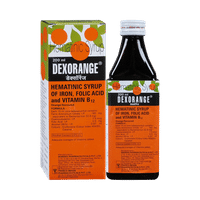 Dexorange Hematinic Syrup with Iron, Folic Acid & Vitamin B12₹ 217.3
 Zincovit Tablet with Multivitamin, Multimineral & Grape Seed Extract₹ 113
 Zincovit Multivitamin & Multimineral Syrup | Helps Build Immunity₹ 160.1
 Bevon Suspension | With Essential Vitamins | Nutrition Booster₹ 198.2
 Revital H Multivitamin with Natural Ginseng for Immunity, Strong Bones & Energy₹ 110
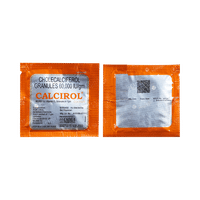 Calcirol 60K IU Cholecalciferol Sachet | For Bone Health₹ 36.3
 Livogen Z | Management of Iron Deficiency Anemia₹ 108.92
 Revital H Multivitamin with Natural Ginseng for Immunity, Strong Bones & Energy₹ 315
Expert advice FOR Peg-grafeel+ Injection
- Pegfilgrastim reduces the risk of infection in people treated with chemotherapy.
- It is usually given as a daily injection into the tissue just under the skin or into the vein.
- You will normally receive your first dose at least 24 hours after your chemotherapy or bone marrow transplant.
- Store it in the refrigerator, protect it from light, and don't shake it.
- For a more comfortable injection, leave the syringe at room temperature for 30 minutes before using it.
- Pain or redness in the area of injection is common. Let your doctor know if you notice a lump, swelling, or bruising that doesn't go away.
- Use caution while driving or doing anything that requires concentration as Pegfilgrastim may cause dizziness.
- Your doctor may get regular tests done to monitor the number of blood cells in your blood, and your bone density level while you are receiving treatment with this medicine.
- Stop taking Pegfilgrastim and inform your doctor if you have a fever, shortness of breath, fast rate of breathing or trouble breathing.
Frequently asked questions FOR Peg-grafeel+ 6mg Injection
Pegfilgrastim
Q. What is Peg-grafeel+ Injection? How is it given?
Peg-grafeel+ Injection belongs to a class of medications called colony stimulating factors. It helps reduce the chances of infections and side effects related to chemotherapy and does not directly treat cancer. It comes as a solution (liquid) to inject subcutaneously (under the skin), 24 hours after chemotherapy. It may be injected by a doctor/nurse in a hospital or you may be shown how to use injections at home
Q. How does pegfilgrastim work?
Pegfilgrastim belongs to a class of medications called colony stimulating factors. It acts on hematopoietic cells (cells in the bone marrow that produce red blood cells, white blood cells, and platelets) to increase production of neutrophils (a type of white blood cell) in the body.