






Rs.308.34for 1 bottle(s) (10 ml Lotion each)

food interaction for Ozefit Lotion
alcohol interaction for Ozefit Lotion
pregnancy interaction for Ozefit Lotion
lactation interaction for Ozefit Lotion
medicine interaction for Ozefit Lotion
food
alcohol
pregnancy
lactation
medicine
No interaction found/established
No interaction found/established
Ozefit Lotion is safe to use during pregnancy. Most studies have shown low or no risk to the developing baby.
SAFE IF PRESCRIBED
Available human data suggest that the drug does not pass into breast milk in clinically significant amounts and is unlikely to harm the infant.
SAFE IF PRESCRIBED
No interaction found/established
SALT INFORMATION FOR Ozefit 2% w/v Lotion
Ozenoxacin(2% w/v)
Ozefit lotion uses
How ozefit lotion works
Ozefit Lotion is a quinolone antimicrobial medicine. It enters into the bacterial cells and inhibits the bacterial enzymes which are required for the multiplication of the bacterial genetic material (DNA). It is mainly active against the bacteria causing skin infections.
Common side effects of ozefit lotion
Limited data available
SUBSTITUTES FOR Ozefit Lotion
7 Substitutes
7 Substitutes
Sorted By
 Rs. 280.31save 9% more per ml of Lotion
- Rs. 374.34save 19% more per ml of Lotion
- Rs. 475pay 3% more per ml of Lotion
- Rs. 285.94save 7% more per ml of Lotion
- Rs. 275.63save 11% more per gm of Lotion
Related Products
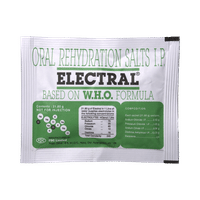 Electral Powder | for Replenishing Body Fluids & Electrolytes | For Stomach Care₹ 23.05
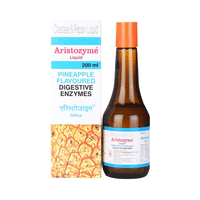 Aristozyme Diastase & Pepsin Liquid | For Digestive Care & Stomach Care | Flavour Pineapple₹ 151.8
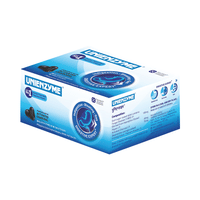 Unienzyme Tablet with Activated Charcoal | For Indigestion, Bloating & Gas | Stomach Care₹ 96.56
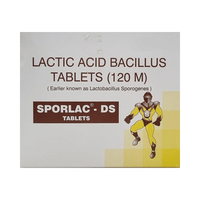 Sporlac DS Tablet | For Stomach Care₹ 224.16
 Tedibar Baby Bathing Bar for Sensitive Skin | Soap Free₹ 219.45
 Neogadine Elixir₹ 247
 Tetmosol Medicated Soap with 5% Monosulfiram for Skin Infections₹ 105.7
 Softovac Bowel Regulator for Effective Relief from Constipation₹ 215
 Colicaid Infant & Toddler Drop | For Infant Colic, Griping Pain & Flatulence₹ 93.75
 Gelusil MPS Antacid & Antigas Original Liquid | For Acidity, Hurtburns, Gas & Stomach Care | Sugar-Free | Mint Flavour Mint₹ 173.52
Expert advice FOR Ozefit Lotion
- Apply Ozenoxacin only to the skin. Do not use it to the eyes. lf the medicine accidentally gets into the eyes, immediately rinse it off with clean water.
- This medicine is for external use only. Do not swallow the lotion or use it in the eyes, on the mouth or lips, inside the nose, or inside the female genital area.
- Use the medicine for the entire time recommended by the doctor, even if your symptoms improved.
- For treatment of superficial skin infection, notify the doctor if there is no improvement in symptoms within a week after starting use of Ozenoxacin.
- As treatment for acne, notify the doctor if there is no improvement in symptoms within 4 weeks after starting use of Ozenoxacin.
- You have been prescribed Ozenoxacin to treat a certain skin infection (impetigo).
- Wash your hands frequently – particularly after touching infected skin.
- After applying the cream, you may cover the treated area with a clean bandage or gauze if advised by your doctor.
- Do not touch or scratch the sores because this can spread the infection to other parts of the body, and other people.
- Avoid the use of perfumes and fragrant soap.
- Wearing light clothing and keeping cool in bed, may help. Avoid excessive sweating.
- Do not share your towel or clothes with anyone and wear clean clothes every day.
- Avoid contacting newborn babies, preparing food, playing contact sports, or going to the gym – until the risk of infection has passed.
Frequently asked questions FOR Ozefit 2% w/v Lotion
Ozenoxacin
Q. What is Ozefit Lotion used for, and who can use it?
Ozefit Lotion is an antibiotic skin medicine used to treat impetigo (a contagious skin infection) caused by Staphylococcus aureus and Streptococcus pyogenes. It is approved for children from 2 months of age and older, as well as adults.
Q. Can anyone apply Ozefit Lotion to their skin?
No. Individuals should not use Ozefit Lotion if they are allergic to ozenoxacin or any ingredient in the medicine. Always check with your doctor first if you have a history of allergies to any medicine.
Q. Are there important safety warnings I should know before using Ozefit Lotion?
Prolonged or unnecessary use of Ozefit Lotion can let non-susceptible bacteria or fungi grow on the skin. If a new infection appears while using Ozefit Lotion, your doctor may stop it and choose another treatment.