





Rs.8.91for 1 strip(s) (10 tablets each)

food interaction for Nisolone Tablet
alcohol interaction for Nisolone Tablet
pregnancy interaction for Nisolone Tablet
lactation interaction for Nisolone Tablet
food
alcohol
pregnancy
lactation
Nisolone 10mg Tablet may be taken with or without food.
None
None
CAUTION
It is not known whether it is safe to consume alcohol with Nisolone 10mg Tablet. Please consult your doctor.
CONSULT YOUR DOCTOR
Nisolone 10mg Tablet is not recommended during pregnancy as there is positive evidence of fetal risk based on animal studies. However, it may still be prescribed by a doctor in situations where the benefits outweigh the risks.
CONSULT YOUR DOCTOR
Nisolone 10mg Tablet should be used with caution during breastfeeding. Breastfeeding should be held until the treatment of the mother is completed and the drug is eliminated from the body.
CAUTION
SALT INFORMATION FOR Nisolone 10mg Tablet
Prednisolone(10mg)
Nisolone tablet uses
{med_name} is used in the treatment of allergic conditions, severe allergic reactions, skin disorders, eye disorders, rheumatic disorder and nephrotic syndrome.
How nisolone tablet works
Nisolone 10mg Tablet is a steroid which works by blocking the production of certain chemical messengers in the body that cause inflammation (redness and swelling) and allergies.
Common side effects of nisolone tablet
Weight gain, Reduction in bone density, Upset stomach, Behavioral changes, Mood changes, Limited data available
SUBSTITUTES FOR Nisolone Tablet
34 Substitutes
34 Substitutes
Sorted By
 Rs. 9.23pay 3% more per Tablet
- Rs. 12.49pay 40% more per Tablet
- Rs. 7.50save 16% more per Tablet
- Rs. 9.74pay 9% more per Tablet
- Rs. 11pay 23% more per Tablet
Related Products
 Becosules Capsule with B-Complex & Vitamin C | For Mouth Ulcers₹ 62.37
 Shelcal 500 Calcium+Vitamin D3 Tablet | For Bones, Joints, Muscles Care | Supports Immunity | Daily Mineral Blend₹ 163.45
 Dexorange Hematinic Syrup with Iron, Folic Acid & Vitamin B12₹ 217.3
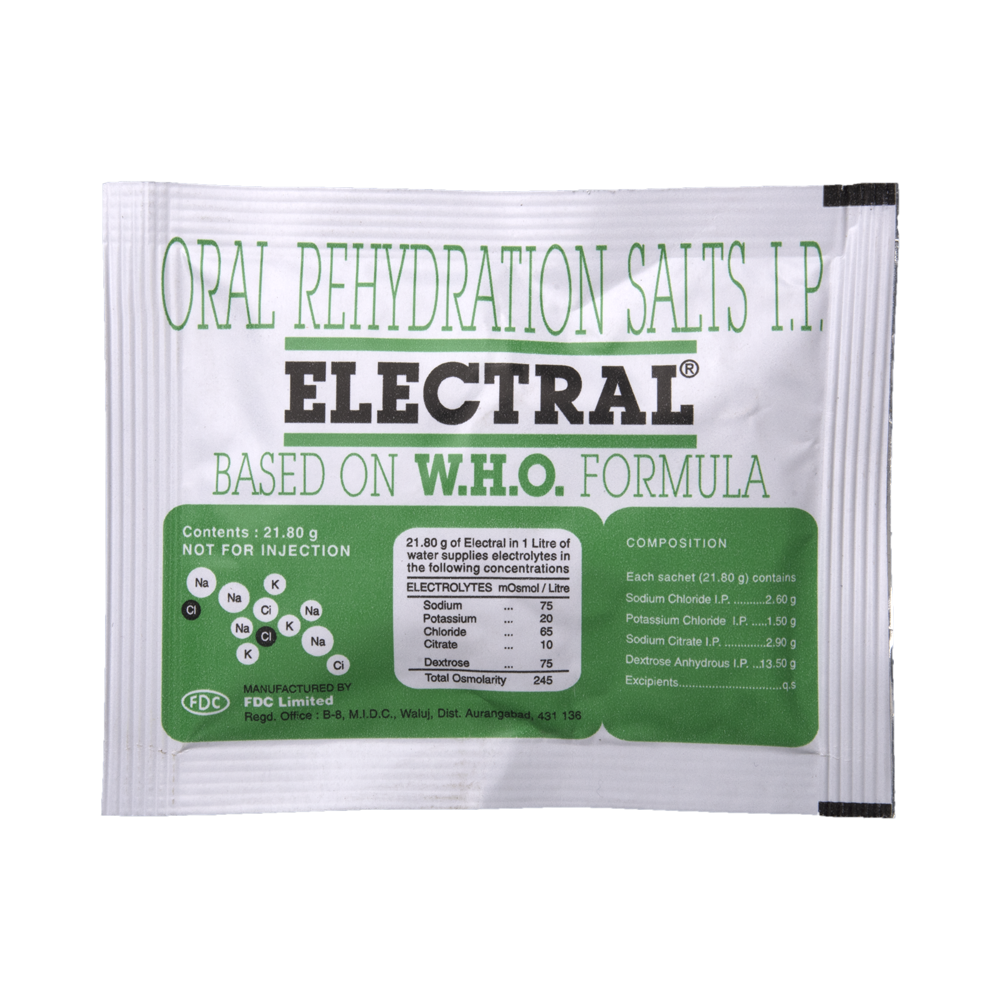 Electral Powder | for Replenishing Body Fluids & Electrolytes | For Stomach Care₹ 23.05
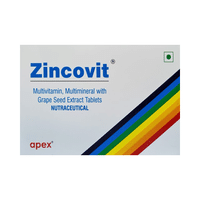 Zincovit Tablet with Multivitamin, Multimineral & Grape Seed Extract₹ 107.6
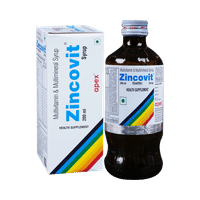 Zincovit Multivitamin & Multimineral Syrup | Helps Build Immunity₹ 160.1
 Bevon Suspension | With Essential Vitamins | Nutrition Booster₹ 198.2
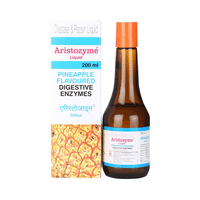 Aristozyme Diastase & Pepsin Liquid | For Digestive Care & Stomach Care | Flavour Pineapple₹ 151.8
 Revital H Multivitamin with Natural Ginseng for Immunity, Strong Bones & Energy₹ 110
 Calcirol 60K IU Cholecalciferol Sachet | For Bone Health₹ 36.3
Expert advice FOR Nisolone Tablet
- Prednisolone helps treat inflammation, severe allergies, flare-ups of ongoing illnesses, and many other medical problems that require either reduction of inflammation or suppression of the immune system.
- Do not use it more often or for longer than advised by your doctor.
- Take it with food to avoid an upset stomach.
- Prednisolone can make it harder for you to fight off infections. Notify your doctor if you have any signs of infection, such as a fever or sore throat.
- Side effects such as mood changes or stomach problems can happen when you start taking Prednisolone. Inform your doctor if this bothers you.
- Do not stop taking Prednisolone suddenly without talking to your doctor first, as it may worsen your symptoms.
Frequently asked questions FOR Nisolone 10mg Tablet
Prednisolone
Q. What is Nisolone 10mg Tablet used for?
Nisolone 10mg Tablet is a corticosteroid injection used to treat a wide range of inflammatory, allergic, autoimmune, and immune-related conditions. It may be prescribed for severe allergic reactions, asthma, skin disorders, joint inflammation, blood disorders, eye conditions, and certain kidney diseases such as nephrotic syndrome. By reducing inflammation and controlling an overactive immune response, it helps relieve symptoms and prevent further tissue damage.
Q. How does Nisolone 10mg Tablet work?
Nisolone 10mg Tablet contains prednisolone, a corticosteroid that works by reducing the release of substances responsible for inflammation in the body. It also suppresses excessive immune system activity when the immune response is causing damage to tissues or organs. This helps reduce swelling, redness, pain, and other symptoms associated with inflammatory and allergic conditions.
Q. How is Nisolone 10mg Tablet administered?
Nisolone 10mg Tablet should be administered by a doctor. The dose, route of administration, and frequency depend on the condition being treated and your response to therapy. Do not attempt to self-administer this injection unless specifically instructed and trained by your doctor.