





Rs.42.70for 1 strip(s) (15 tablets each)
Available in other variants

food interaction for Nimat Tablet
alcohol interaction for Nimat Tablet
pregnancy interaction for Nimat Tablet
lactation interaction for Nimat Tablet
food
alcohol
pregnancy
lactation
Nimat Tablet should be taken with or after food.
None
None
CAUTION
It is not known whether it is safe to consume alcohol with Nimat Tablet. Please consult your doctor.
CONSULT YOUR DOCTOR
Nimat Tablet is highly unsafe during pregnancy. It can cause serious harm to the unborn baby, including birth defects and pregnancy loss. Do not use this medicine if you are pregnant or planning to become pregnant.
UNSAFE
Nimat Tablet is unsafe to use during breastfeeding. Data suggests that the drug may cause toxicity to the baby.
UNSAFE
SALT INFORMATION FOR Nimat 100mg Tablet
Nimesulide(100mg)
Nimat tablet uses
{med_name} is used for fever and pain relief.
How nimat tablet works
Nimat Tablet is a non-steroidal anti-inflammatory drug (NSAID). It works by blocking the release of certain chemical messengers that cause pain and inflammation (redness and swelling).
Common side effects of nimat tablet
Increased liver enzymes, Vomiting, Nausea, Diarrhea
SUBSTITUTES FOR Nimat Tablet
543 Substitutes
543 Substitutes
Sorted By
 Rs. 134.53pay 212% more per Tablet
- Rs. 44.80pay 9% more per Tablet
- Rs. 43.13pay 7% more per Tablet
- Rs. 56.60pay 97% more per Tablet
- Rs. 63.94pay 123% more per Tablet
Related Products
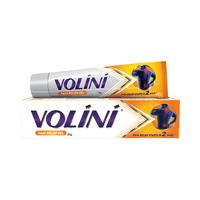 Volini Pain Relief Gel for Sprain, Muscle, Joint, Neck & Low Back Pain | Bone, Joint & Muscle Care₹ 160
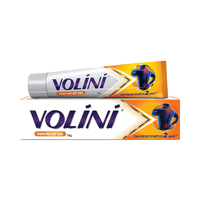 Volini Pain Relief Gel for Sprain, Muscle, Joint, Neck & Low Back Pain | Bone, Joint & Muscle Care₹ 77.81
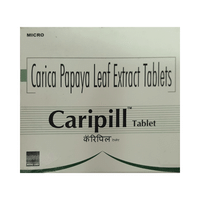 Caripill Carica Papaya Leaf Extract Tablet₹ 636.5
 Volini Pain Relief Gel for Sprain, Muscle, Joint, Neck & Low Back Pain | Bone, Joint & Muscle Care₹ 230
 Volini Pain Relief Gel for Sprain, Muscle, Joint, Neck & Low Back Pain | Bone, Joint & Muscle Care₹ 272
 Rosiflex Trio Capsule with Rosehip Extract, Boswellia Serrata & Devil's Claw Extract₹ 732.73
 Himalaya Rumalaya Liniment₹ 168
 Mienta Capsule₹ 204.53
 Sensur Ayurvedic Fast Pain Relief Oil Roll On | For Headache, Cold, Nasal Congestion, Neck, Body & Joint Pain Relief₹ 143.5
 Himalaya Rumalaya Pain Relief Gel| Quick relief from body pain| Ayurvedic | Gel₹ 140
Expert advice FOR Nimat Tablet
- Take it with food or milk to prevent an upset stomach.
- Take it as per the dose and duration prescribed by your doctor. Long term use may lead to serious complications such as stomach bleeding and kidney problems.
- Inform your doctor if you have a history of heart disease or stroke.
- Avoid consuming alcohol while taking Nimesulide as it can increase your risk of stomach problems.
- Your doctor may regularly monitor your kidney function, liver function and levels of blood components if you are taking this medicine for long-term treatment.
Frequently asked questions FOR Nimat 100mg Tablet
Nimesulide
Q. Is Nimat Tablet an antibiotic?
Nimat Tablet is not an antibiotic, it belongs to the class of medicines known as non-steroidal anti-inflammatory drugs (NSAIDs; pain-relieving drugs) which help in relieving pain associated with various conditions.
Q. Can I take Nimat Tablet with paracetamol?
Nimat Tablet and paracetamol belong to the same class of medicines known as non-steroidal anti-inflammatory drugs (NSAIDs; pain-relieving drugs). Taking the two medicines together is not advisable as it may increase the potential for gastric ulceration and bleeding. However, please consult your doctor before using the two medicines together.
Q. Is Nimat Tablet safe?
Nimat Tablet is safe to use if taken at the prescribed dose and duration advised by your doctor.