






Rs.59.53for 1 bottle(s) (10 ml Nasal Solution each)

food interaction for Nasoline Nasal Solution
alcohol interaction for Nasoline Nasal Solution
pregnancy interaction for Nasoline Nasal Solution
lactation interaction for Nasoline Nasal Solution
food
alcohol
pregnancy
lactation
No interaction found/established
No interaction found/established
Nasoline Saline Nasal Spray is safe to use during pregnancy. Most studies have shown low or no risk to the developing baby.
SAFE IF PRESCRIBED
Available human data suggest that the drug does not pass into breast milk in clinically significant amounts and is unlikely to harm the infant.
SAFE IF PRESCRIBED
SALT INFORMATION FOR Nasoline 0.65% w/v Nasal Solution
Sodium Chloride(0.65% w/v)
Nasoline nasal solution uses
{med_name} is used in nasal congestion.
How nasoline nasal solution works
Nasoline Saline Nasal Spray is a purified salt solution. It moisturizes the inner surface of the nose and helps relieve stuffy nose due to common cold or allergies.
Common side effects of nasoline nasal solution
Limited data available
SUBSTITUTES FOR Nasoline Nasal Solution
28 Substitutes
28 Substitutes
Sorted By
 Rs. 59.77save 37% more per ml of Nasal Solution
- Rs. 62.38save 51% more per ml of Nasal Solution
- Rs. 53save 55% more per ml of Nasal Solution
- Rs. 64.97pay 9% more per ml of Nasal Solution
- Rs. 51.89save 56% more per ml of Nasal Solution
Related Products
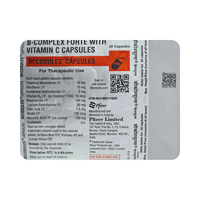 Becosules Capsule with B-Complex & Vitamin C | For Mouth Ulcers₹ 62.37
 Shelcal 500 Calcium+Vitamin D3 Tablet | For Bones, Joints, Muscles Care | Supports Immunity | Daily Mineral Blend₹ 163.45
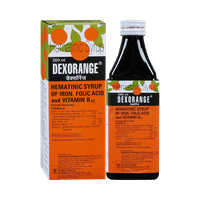 Dexorange Hematinic Syrup with Iron, Folic Acid & Vitamin B12₹ 217.3
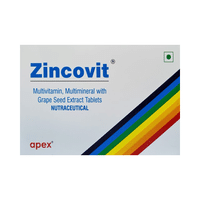 Zincovit Tablet with Multivitamin, Multimineral & Grape Seed Extract₹ 107.6
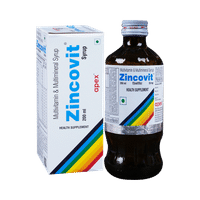 Zincovit Multivitamin & Multimineral Syrup | Helps Build Immunity₹ 160.1
 Bevon Suspension | With Essential Vitamins | Nutrition Booster₹ 198.2
 Revital H Multivitamin with Natural Ginseng for Immunity, Strong Bones & Energy₹ 110
 Calcirol 60K IU Cholecalciferol Sachet | For Bone Health₹ 36.3
 Livogen Z | Management of Iron Deficiency Anemia₹ 108.92
 Revital H Multivitamin with Natural Ginseng for Immunity, Strong Bones & Energy₹ 315
Expert advice FOR Nasoline Nasal Solution
- Keep the head slightly tilted back while applying Sodium Chloride to help them spread evenly inside the nose.
- If nasal irritation, redness, or swelling becomes severe, stop using the drops and seek medical advice.
- Use the bottle within one month of opening and discard any remaining solution after that period.
- Do not refrigerate or freeze the drops, and store them below 30°C, protected from light.
- If symptoms of nasal congestion or dryness persist despite use, consult a doctor for further evaluation.
Frequently asked questions FOR Nasoline 0.65% w/v Nasal Solution
Sodium Chloride
Q. What is Nasoline Saline Nasal Spray used for?
Nasoline Saline Nasal Spray is used to relieve nasal congestion by thinning thick mucus and moisturizing dry or irritated nasal passages. They help clear blocked noses and make breathing easier, especially during colds, allergies, or dry weather.
Q. How do Nasoline Saline Nasal Spray work?
Nasoline Saline Nasal Spray works by loosening and thinning nasal secretions and by providing moisture to the nasal lining. This helps clear mucus from the nose and soothes dry or inflamed nasal membranes without causing rebound congestion.
Q. How should Nasoline Saline Nasal Spray be used?
For adults and children over 2 years, 1–2 drops can be put into each nostril as needed. For infants and babies up to 2 years, 1 drop in each nostril may be used as required. The drops should be applied gently with the head slightly tilted back.