






Rs.59.70for 1 bottle(s) (100 tablets each)

food interaction for Metro Tablet
alcohol interaction for Metro Tablet
pregnancy interaction for Metro Tablet
lactation interaction for Metro Tablet
food
alcohol
pregnancy
lactation
Metro 400mg Tablet should be taken with or after food.
None
None
CAUTION
Consumption of alcohol with Metro 400mg Tablet may cause a disulfiram-like reaction, leading to symptoms such as flushing, increased heart rate, low blood pressure, nausea, lightheadedness, and severe headache.
UNSAFE
Metro 400mg Tablet is generally considered safe to use during pregnancy. Animal studies do not indicate harmful effects. However, there are limited human studies.
SAFE IF PRESCRIBED
Metro 400mg Tablet should be used with caution during breastfeeding. Breastfeeding should be held until the treatment of the mother is completed and the drug is eliminated from the body.
CAUTION
SALT INFORMATION FOR Metro 400mg Tablet
Metronidazole(400mg)
Metro tablet uses
{med_name} is used in the treatment of bacterial infections and parasitic infections.
How metro tablet works
Metro 400mg Tablet contains metronidazole, an antibiotic and antiprotozoal medicine that works by entering the bacterial or parasitic cells and damaging their DNA. This prevents the microorganisms from growing and reproducing, ultimately leading to their death and clearing the infection.
Common side effects of metro tablet
Limited data available
SUBSTITUTES FOR Metro Tablet
36 Substitutes
36 Substitutes
Sorted By
 Rs. 16.28pay 173% more per Tablet
- Rs. 24.41pay 119% more per Tablet
- Rs. 32.47pay 171% more per Tablet
- Rs. 32.55pay 173% more per Tablet
- Rs. 23.93pay 168% more per Tablet
Related Products
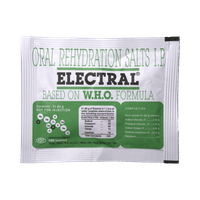 Electral Powder | for Replenishing Body Fluids & Electrolytes | For Stomach Care₹ 23.05
 Aristozyme Diastase & Pepsin Liquid | For Digestive Care & Stomach Care | Flavour Pineapple₹ 151.8
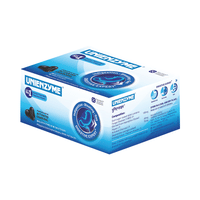 Unienzyme Tablet with Activated Charcoal | For Indigestion, Bloating & Gas | Stomach Care₹ 96.56
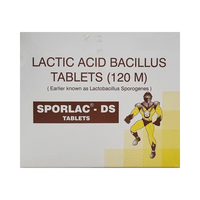 Sporlac DS Tablet | For Stomach Care₹ 224.16
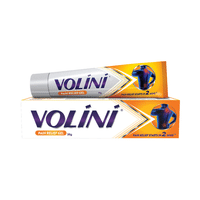 Volini Pain Relief Gel for Sprain, Muscle, Joint, Neck & Low Back Pain | Bone, Joint & Muscle Care₹ 160
 Tedibar Baby Bathing Bar for Sensitive Skin | Soap Free₹ 219.45
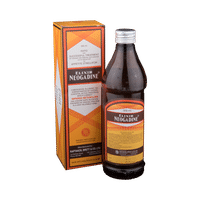 Neogadine Elixir₹ 247
 Tetmosol Medicated Soap with 5% Monosulfiram for Skin Infections₹ 105.7
 Softovac Bowel Regulator for Effective Relief from Constipation₹ 215
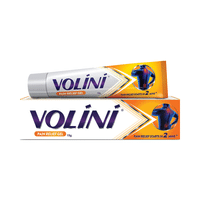 Volini Pain Relief Gel for Sprain, Muscle, Joint, Neck & Low Back Pain | Bone, Joint & Muscle Care₹ 77.81
Expert advice FOR Metro Tablet
- Take Metronidazole with a full meal or a glass of milk to reduce the risk of gastrointestinal side effects.
- Do not drink alcohol during or for 2-3 days after treatment with this medicine. You may develop nausea, vomiting, flushing, and headache (disulfiram-like reaction).
- Your urine may appear darker or reddish-brown during treatment. This is a known, harmless effect of Metronidazole and does not indicate kidney damage or bleeding.
- A temporary metallic or bitter taste in the mouth may occur during therapy. This is a common side effect and usually resolves after completing the treatment.
- Inform your doctor if you have liver disease. Your dose may need to be adjusted in severe liver disease.
Frequently asked questions FOR Metro 400mg Tablet
Metronidazole
Q. What is Metro 400mg Tablet and what is it used for?
Metro 400mg Tablet is an antibiotic used to treat infections caused by certain bacteria and parasites. It is commonly prescribed for infections of the stomach and intestines (such as amoebiasis and giardiasis), vaginal infections like trichomoniasis and bacterial vaginosis, dental and gum infections, and other infections caused by bacteria that grow without oxygen. It works by killing the germs responsible for the infection.
Q. Is Metro 400mg Tablet safe for patients with liver conditions?
The liver processes Metro 400mg Tablet, so people with liver problems need to take it carefully. In patients with severe liver disease, the medicine may stay in the body longer, which can increase the risk of side effects. In such cases, your doctor may reduce the dose and monitor you more closely. Anyone with liver disease should inform their doctor before starting treatment.
Q. Can Metro 400mg Tablet lead to antibiotic resistance?
Yes, like all antibiotics, Metro 400mg Tablet can contribute to antibiotic resistance if used improperly. Taking it when it is not needed, using it for the wrong condition, or not completing the full prescribed course can allow bacteria to survive and become harder to treat in the future. It should always be taken after consulting your doctor.