






Rs.43.13for 1 strip(s) (10 tablets each)

food interaction for Meftal-Forte
alcohol interaction for Meftal-Forte
pregnancy interaction for Meftal-Forte
lactation interaction for Meftal-Forte
food
alcohol
pregnancy
lactation
Meftal-Forte Tablet should be taken with or after food.
This will help to avoid acidity and heartburn.
None
This will help to avoid acidity and heartburn.
None
CAUTION
Alcohol should be used with caution while taking Meftal-Forte Tablet.
CAUTION
Meftal-Forte Tablet is not recommended during pregnancy as there is positive evidence of fetal risk based on animal studies. However, it may still be prescribed by a doctor in situations where the benefits outweigh the risks.
CONSULT YOUR DOCTOR
Meftal-Forte Tablet may be unsafe to use during breastfeeding. Limited human data suggests that the drug may pass into the breastmilk and harm the baby. It should be used only if the expected benefit outweighs the potential risk. Please consult your doctor.
CONSULT YOUR DOCTOR
SALT INFORMATION FOR Meftal-Forte
Mefenamic Acid(500mg)
Uses
Mefenamic Acid is used for pain relief. It relieves pain in conditions like period pain, headache, muscle pain, joint pain or dental pain.
How it works
Mefenamic Acid is a non-steroidal anti-inflammatory drug (NSAID). It works by blocking the release of certain chemical messengers that cause fever, pain and inflammation (redness and swelling).
Common side effects
Nausea, Dizziness, Diarrhea, Drowsiness, Abdominal pain, Constipation, Flatulence, Dyspepsia, Dark colored stool, Hematemesis (vomiting blood), Ringing in ear, High blood pressure, Liver toxicity, Asthma, Agranulocytosis (deficiency of granulocytes in the blood), Increased potassium level in blood, Angioedema (swelling of deeper layers of skin), Stevens-Johnson syndrome
Paracetamol(325mg)
Uses
Paracetamol is used for pain relief and fever. It is used to relieve pain in conditions like headache, muscle pain, or dental pain.
How it works
Paracetamol is an analgesic (pain reliever) and anti-pyretic (fever reducer). It works by blocking the release of certain chemical messengers that cause pain and fever.
Common side effects
Hallucination, Abnormal vision, Hypoglycemia (low blood glucose level), Sterile pyuria, Liver toxicity, Headache, Constipation, Itching, Nephropathy, Hypersensitivity, Platelet disorders, Confusion, Depression, Hemorrhage, Insomnia (difficulty in sleeping), Nausea, Vomiting
SUBSTITUTES FOR Meftal-Forte
152 Substitutes
152 Substitutes
Sorted By
 Rs. 48.74pay 13% more per Tablet
- Rs. 43.13same price
- Rs. 72.70pay 69% more per Tablet
- Rs. 50.30pay 17% more per Tablet
- Rs. 43.13same price
Related Products
 Volini Pain Relief Gel for Sprain, Muscle, Joint, Neck & Low Back Pain | Bone, Joint & Muscle Care₹ 160
 Volini Pain Relief Gel for Sprain, Muscle, Joint, Neck & Low Back Pain | Bone, Joint & Muscle Care₹ 77.81
 Caripill Carica Papaya Leaf Extract Tablet₹ 696
 Volini Pain Relief Gel for Sprain, Muscle, Joint, Neck & Low Back Pain | Bone, Joint & Muscle Care₹ 232
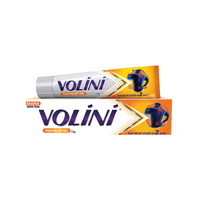 Volini Pain Relief Gel for Sprain, Muscle, Joint, Neck & Low Back Pain | Bone, Joint & Muscle Care₹ 272
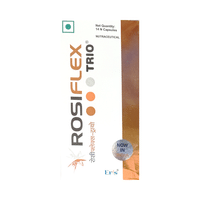 Rosiflex Trio Capsule with Rosehip Extract, Boswellia Serrata & Devil's Claw Extract₹ 732.73
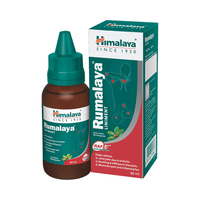 Himalaya Rumalaya Liniment₹ 168
 Mienta Capsule₹ 204.53
 Sensur Ayurvedic Fast Pain Relief Oil Roll On | For Headache, Cold, Nasal Congestion, Neck, Body & Joint Pain Relief₹ 143.5
 Himalaya Rumalaya Pain Relief Gel| Quick relief from body pain| Ayurvedic | Gel₹ 140
Expert advice FOR Meftal-Forte
- It should be taken with food or milk to avoid getting an upset stomach.
- It can cause serious complications like stomach bleeding and kidney problems if taken for a long time.
- Mefenamic Acid can raise your risk of blood clots, heart attack, or a stroke.
- Inform your doctor if you are pregnant or planning to conceive or breastfeeding.
- Inform your doctor if you have ever been diagnosed with kidney or liver problems.
Frequently asked questions FOR Meftal-Forte
Mefenamic Acid
Q. Is mefenamic acid an antibiotic/ contain codeine?
No. Mefenamic acid is a non-steroidal anti-inflammatory drug used to treat mild to moderate pain conditions and fever. It not an antibiotic and does not contain codeine
Q. Is Mefenamic Acid a painkiller?
Yes. Mefenamic Acid is mild to moderate painkiller drug
Q. Is Mefenamic Acid safe?
Mefenamic Acid is safe if used at prescribed doses for the prescribed duration as advised by your doctor
Paracetamol
Q. What if I vomit after taking Paracetamol?
If you vomit in less than 30 minutes after having a dose of Paracetamol tablets or syrup, retake the same dose again. If you vomit after 30 minutes of a dose, you do not need to take another one until the next standard dose.
Q. When will I feel better after taking the Paracetamol?
Usually, you will start feeling better after about half an hour of taking a Paracetamol.
Q. How often can I take the Paracetamol?
You should only take four doses of Paracetamol in 24 hours. There should be a gap of at least 4 hours between two doses. Do not take Paracetamol for more than 3 days without consulting a doctor first.