






Rs.17.50for 1 tube(s) (10 gm Ointment each)
Available in other variants

food interaction for Lupidine Ointment
alcohol interaction for Lupidine Ointment
pregnancy interaction for Lupidine Ointment
lactation interaction for Lupidine Ointment
medicine interaction for Lupidine Ointment
food
alcohol
pregnancy
lactation
medicine
No interaction found/established
No interaction found/established
Lupidine Ointment is generally considered safe to use during pregnancy. Animal studies do not indicate harmful effects. However, there are limited human studies.
SAFE IF PRESCRIBED
Lupidine Ointment may be safe to use during breastfeeding. Animal studies have shown low or no adverse effects to the developing baby; however, there are limited human studies.
SAFE IF PRESCRIBED
No interaction found/established
SALT INFORMATION FOR Lupidine 5% w/w Ointment
Povidone Iodine(5% w/w)
Lupidine ointment uses
{med_name} is used to prevent wound infection.
How lupidine ointment works
Lupidine Ointment is an antiseptic applied on skin, which is infected or is likely to get infected. It works by slowly releasing iodine which kills or prevents the growth of infectious microorganisms.
Common side effects of lupidine ointment
Application site reactions (burning, irritation, itching and redness)
SUBSTITUTES FOR Lupidine Ointment
142 Substitutes
142 Substitutes
Sorted By
 Rs. 67.17pay 57% more per gm of Ointment
- Rs. 98.82pay 39% more per gm of Ointment
- Rs. 99.84pay 115% more per gm of Ointment
- Rs. 36.22pay 95% more per gm of Ointment
- Rs. 431.71pay 86% more per gm of Ointment
Related Products
 Electral Powder | for Replenishing Body Fluids & Electrolytes | For Stomach Care₹ 23.05
 Softovac Bowel Regulator for Effective Relief from Constipation₹ 215
 Itone Eye Drop | For Healthy Vision & Eye Care₹ 64.69
 Vitazyme Syrup₹ 121.88
 New I-Site Capsule₹ 216.23
 Vizylac Capsule | For Stomach Care | Restores Intestinal Flora & Intestinal Immunity₹ 86
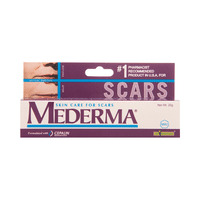 Mederma Skincare Scar Gel | For Scars Resulting from Injury, Burns, Surgery, Acne & Cut Marks | Derma Care₹ 895
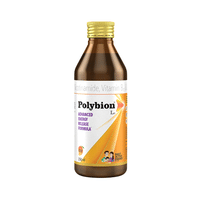 Polybion Lc Syrup Delicious Mango₹ 215.25
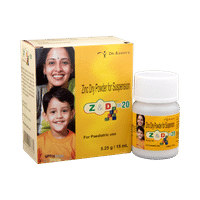 Z&D DS 20 Suspension₹ 120.98
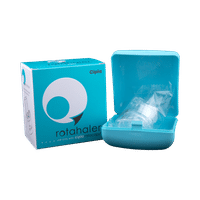 Rotahaler Device₹ 173.5
Expert advice FOR Lupidine Ointment
- Povidone Iodine is an antiseptic that helps treat and prevent infections.
- Apply a small amount to the affected area after cleaning it properly.
- Avoid contact with eyes and nose. In case of accidental contact, rinse thoroughly with water.
- Do not use it on burnt, broken or inflamed skin.
Frequently asked questions FOR Lupidine 5% w/w Ointment
Povidone Iodine
Q. Can I put Lupidine Ointment on an open wound?
Lupidine Ointment can be used as an antiseptic to treat or prevent infections in wounds such as ulcers, small burns or cuts, and other minor injuries. However, take special care if you are applying Lupidine Ointment on open large wounds or where the skin is broken like burns. The reason being there may be a risk of excessive absorption of iodine in the blood which may increase to toxic levels.
Q. Will Lupidine Ointment solution stain my skin or clothes?
Lupidine Ointment has a natural golden brown color which stains the area where you have applied it. It does not however, permanently stain your skin and fingernails. The stain can be easily removed from your clothes with soap and water.
Q. Where can Lupidine Ointment be used?
Lupidine Ointment is used in the treatment and prevention of infection in wounds including cuts, small areas of burn, ulcers and minor injuries. Do not use this medicine on deep wounds and clean surgical wounds.