






Rs.356for 1 strip(s) (10 tablets each)

food interaction for Livetone Tablet
alcohol interaction for Livetone Tablet
pregnancy interaction for Livetone Tablet
lactation interaction for Livetone Tablet
food
alcohol
pregnancy
lactation
Livetone UD 300mg Tablet should be taken with or after food.
None
None
CAUTION
It is not known whether it is safe to consume alcohol with Livetone UD 300mg Tablet. Please consult your doctor.
CONSULT YOUR DOCTOR
The safety of Livetone UD 300mg Tablet during pregnancy has not been established. There are no adequate and well-controlled studies in pregnant women, and animal data on reproductive toxicity are insufficient. Your doctor will weigh the benefits and any potential risks before prescribing.
CONSULT YOUR DOCTOR
Information regarding the use of Livetone UD 300mg Tablet during breastfeeding is not available. Please consult your doctor.
CONSULT YOUR DOCTOR
SALT INFORMATION FOR Livetone 300mg Tablet
Ursodeoxycholic Acid(300mg)
Livetone tablet uses
{med_name} is used in the treatment of gallbladder stones, primary biliary cirrhosis, cystic fibrosis and Primary Sclerosing Cholangitis.
How livetone tablet works
Livetone UD 300mg Tablet is a hepatoprotective medication. It works by reducing the amount of cholesterol in the blood and helps dissolve gallbladder stones that are composed mainly of cholesterol. It also improves liver enzymes, protects liver cells from injury caused due to toxic bile acids, and improves liver function.
Common side effects of livetone tablet
Abdominal pain, Diarrhea, Sinus inflammation, Nausea, Headache, Indigestion, Viral infection
SUBSTITUTES FOR Livetone Tablet
1211 Substitutes
1211 Substitutes
Sorted By
 Rs. 555.26pay 43% more per Tablet
- Rs. 385.80pay 6% more per Tablet
- Rs. 612.50pay 72% more per Tablet
- Rs. 484pay 26% more per Tablet
- Rs. 526.40pay 45% more per Tablet
Related Products
 Electral Powder | for Replenishing Body Fluids & Electrolytes | For Stomach Care₹ 23.05
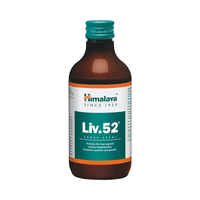 Himalaya Liv.52 Syrup | For Liver Protection, Appetite & Liver Care₹ 234
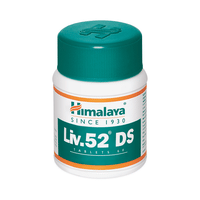 Himalaya Liv. 52 DS Tablet | Protect the Liver | Enhance Liver Functions | Supports Liver Health₹ 281
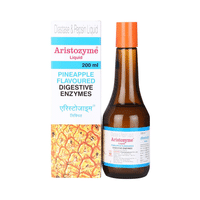 Aristozyme Diastase & Pepsin Liquid | For Digestive Care & Stomach Care | Flavour Pineapple₹ 151.8
 Himalaya Liv. 52 Tablet | For Liver Care₹ 220
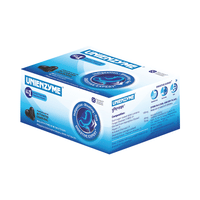 Unienzyme Tablet with Activated Charcoal | For Indigestion, Bloating & Gas | Stomach Care₹ 96.56
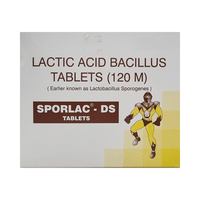 Sporlac DS Tablet | For Stomach Care₹ 224.16
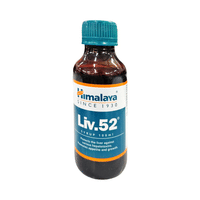 Himalaya Liv.52 Syrup | For Liver Protection, Appetite & Liver Care₹ 141
 Neogadine Elixir₹ 247
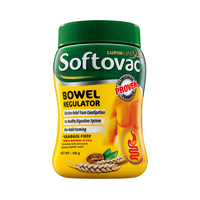 Softovac Bowel Regulator for Effective Relief from Constipation₹ 215
Expert advice FOR Livetone Tablet
- Take Ursodeoxycholic Acid after a meal with a glass of milk or water to help improve its absorption and reduce stomach upset.
- Take Ursodeoxycholic Acid regularly at the same time each day, as it works gradually and may take time to show beneficial results.
- Follow a healthy diet and exercise regularly, and avoid alcohol while taking Ursodeoxycholic Acid.
- Avoid heavy or oily meals, as high-fat foods may worsen gallbladder or liver-related symptoms.
- Diarrhea may occur as a side effect. Drink plenty of fluids, including oral rehydration solution (ORS), and inform your doctor if it persists or if you notice blood in your stools.
- Your doctor may monitor liver function tests and bilirubin levels regularly, especially during the first few months of the treatment.
- Seek medical advice promptly if you develop worsening jaundice, severe itching, dark urine, pale stools, persistent abdominal pain, or fever.
- Do not stop taking Ursodeoxycholic Acid without consulting your doctor, as liver conditions often require monitored and continuous therapy.
- Inform your doctor about all other medicines, herbal products, or supplements you are taking to avoid potential interactions.
Frequently asked questions FOR Livetone 300mg Tablet
Ursodeoxycholic Acid
Q. How should Livetone UD 300mg Tablet be taken to ensure maximum absorption?
Livetone UD 300mg Tablet should usually be taken with food or milk to help your body absorb it better and to reduce the chance of stomach upset. Taking it at the same time every day helps maintain a steady level of the medicine in your body. If you consume antacids that contain aluminum, they may interfere with how well Livetone UD 300mg Tablet is absorbed. Taking it with a moderately high-fat meal (e.g., meals containing milk, curd, nuts, or oils) may further help in the absorption of ursodeoxycholic acid by promoting bile secretion.
Q. What are the side effects of Livetone UD 300mg Tablet?
Livetone UD 300mg Tablet is generally well tolerated. Common side effects include diarrhea (most frequent), nausea, and abdominal discomfort. These are usually mild and temporary. Rarely, it may alter liver enzyme levels, especially with long-term use, so your doctor may recommend periodic monitoring.
Q. What is Livetone UD 300mg Tablet and what is it used for?
Livetone UD 300mg Tablet contains ursodeoxycholic acid and is mainly used to dissolve certain cholesterol gallstones and to treat liver diseases such as primary biliary cholangitis. It works by lowering cholesterol levels in bile, improving bile flow, and protecting liver cells from damage. This can help reduce elevated liver enzyme levels and support overall liver function. It should only be used after proper evaluation and diagnosis by your doctor.