






Rs.45for 1 tube(s) (5 gm Cream each)
Available in other variants

food interaction for Fusidil Cream
alcohol interaction for Fusidil Cream
pregnancy interaction for Fusidil Cream
lactation interaction for Fusidil Cream
medicine interaction for Fusidil Cream
food
alcohol
pregnancy
lactation
medicine
No interaction found/established
No interaction found/established
Fusidil Cream is safe to use during pregnancy. Most studies have shown low or no risk to the developing baby.
SAFE IF PRESCRIBED
Available human data suggest that the drug does not pass into breast milk in clinically significant amounts and is unlikely to harm the infant.
SAFE IF PRESCRIBED
No interaction found/established
SALT INFORMATION FOR Fusidil 2% w/w Cream
Fusidic Acid(2% w/w)
Fusidil cream uses
{med_name} is used in the treatment of bacterial skin infections.
How fusidil cream works
Fusidil Cream is an antibiotic. It works against bacteria that cause skin infections by preventing the synthesis of essential proteins necessary for the survival of bacteria. Thus, it prevents the skin infection from spreading.
Common side effects of fusidil cream
Dermatitis, Rash, Itching, Hypersensitivity, Angioedema (swelling of deeper layers of skin), Blisters, Irritation, Erythema (skin redness), Urticaria
SUBSTITUTES FOR Fusidil Cream
140 Substitutes
140 Substitutes
Sorted By
 Rs. 157.50pay 10% more per gm of Cream
- Rs. 52.49pay 10% more per gm of Cream
- Rs. 52.48pay 6% more per gm of Cream
- Rs. 51.61pay 8% more per gm of Cream
- Rs. 51.60pay 8% more per gm of Cream
Related Products
 Tedibar Baby Bathing Bar for Sensitive Skin | Soap Free₹ 209
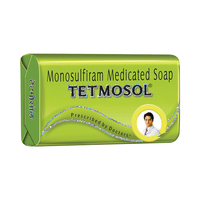 Tetmosol Medicated Soap with 5% Monosulfiram for Skin Infections₹ 96.1
 Dermadew Soap | Cleanses, Nourishes & Moisturises the Skin₹ 168.18
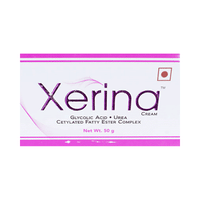 Xerina Cream | Moisturises & Exfoliates Dry, Rough, Cracked Or Callused Feet₹ 487
 Dermadew Acne Soap₹ 198
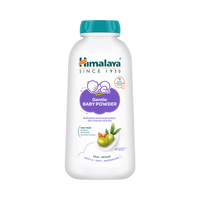 Himalaya Gentle Baby Powder | Keeps Baby's Skin Soft & Dry | Paraben-Free₹ 111
 Mederma Skincare Scar Gel | For Scars Resulting from Injury, Burns, Surgery, Acne & Cut Marks | Derma Care₹ 505
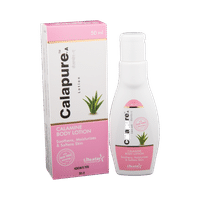 Calapure-A Lotion with Aloe Vera | Soothes, Moisturises & Softens Skin₹ 143
 Acnestar 2.5% Benzoyl Peroxide Soap | For Acne Prone Skin₹ 106
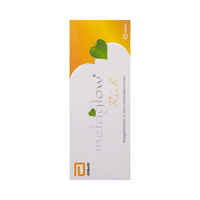 Melaglow Rich Depigmentation & Glow Restoration Cream | Skin Brightening and Lightening Face Care Product₹ 578
Expert advice FOR Fusidil Cream
- Clean and dry the affected skin before applying Fusidic Acid, and apply a thin layer to the affected area.
- Wash your hands before and after applying Fusidic Acid to help prevent the spread of infection.
- Avoid contact of Fusidic Acid with the eyes, nose, or mouth, and rinse thoroughly with water if accidental contact occurs.
- Do not cover the treated area with airtight dressings or tight bandages unless your doctor advises you to.
- Use Fusidic Acid for the full duration prescribed, even if the skin appears to improve earlier.
- Stop using Fusidic Acid and consult your doctor if you develop a rash, blistering, or worsening irritation.
- Inform your doctor if the infection worsens or returns after stopping Fusidic Acid.
- Do not use Fusidic Acid on infants or large/deep wounds without consulting your doctor.
Frequently asked questions FOR Fusidil 2% w/w Cream
Fusidic Acid
Q. What is Fusidil Cream and how does it work?
Fusidil Cream is a topical antibiotic cream containing fusidic acid, which belongs to a class of medicines that help stop the growth of bacteria on the skin. When applied to the affected area, the active ingredient works by interfering with the way bacteria make proteins, slowing or stopping their growth so your body can clear the infection. This makes it useful for treating certain bacterial skin infections such as impetigo, infected dermatitis, or superficial folliculitis.
Q. For how long is it required to use Fusidil Cream?
The usual course of treatment with Fusidil Cream depends on the type and extent of the skin infection. Your doctor will tell you how often to apply the cream and for how many days. It is generally recommended that you continue using it for the full duration prescribed, even if symptoms start to get better early, because stopping too soon may leave the infection partly untreated.
Q. What precautions should I take while applying Fusidil Cream?
Before using Fusidil Cream, wash and dry your hands and the affected area. Apply a thin layer only to the infected skin and avoid contact with eyes, inside the nose or mouth, and other sensitive areas. If accidental contact occurs, rinse thoroughly with water. Do not bandage or cover the area unless your doctor tells you to, as occlusive covering may increase absorption and irritation. If you notice persistent irritation, rash, or signs of an allergic reaction, stop using it and contact your healthcare provider.