




food interaction for Ethyol Injection
alcohol interaction for Ethyol Injection
pregnancy interaction for Ethyol Injection
lactation interaction for Ethyol Injection
food
alcohol
pregnancy
lactation
No interaction found/established
It is not known whether it is safe to consume alcohol with Ethyol 500mg Injection. Please consult your doctor.
CONSULT YOUR DOCTOR
Ethyol 500mg Injection is highly unsafe during pregnancy. It can cause serious harm to the unborn baby, including birth defects and pregnancy loss. Do not use this medicine if you are pregnant or planning to become pregnant.
UNSAFE
Information regarding the use of Ethyol 500mg Injection during breastfeeding is not available. Please consult your doctor.
CONSULT YOUR DOCTOR
SALT INFORMATION FOR Ethyol 500mg Injection
Amifostine(500mg)
Ethyol injection uses
{med_name} is used to prevent dryness in the mouth after radiotherapy of head and neck cancer. It is also used to reduce the harmful effect of chemotherapy on the kidneys during treatment with cisplatin.
How ethyol injection works
Ethyol 500mg Injection works by removing free radical, harmful elements produced by cisplatin (a medicine used to treat cancer) or radiation therapy in tissues.
Common side effects of ethyol injection
Hypotension (low blood pressure)
SUBSTITUTES FOR Ethyol Injection
10 Substitutes
10 Substitutes
Sorted By
 Rs. 87.52save 99% more per Injection
- Rs. 1054.69save 91% more per Injection
- Rs. 937.50save 92% more per Injection
- Rs. 1861.88save 85% more per Injection
- Rs. 2343.75save 81% more per Injection
Related Products
 Himalaya Confido Tablet₹ 260
 Himalaya Tentex Forte Tablet₹ 141
 Tentex Royal₹ 281
 Charak Addyzoa Ayurvedic Capsule₹ 239
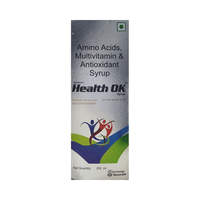 HealthOK Syrup₹ 142
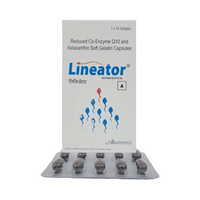 Lineator Astaxanthin & Reduced Coenzyme Q10 Capsule | For Sexual Wellness₹ 782.33
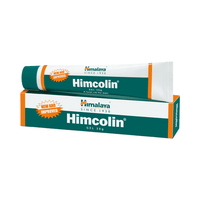 Himalaya Himcolin Gel | Supports Male Wellness₹ 304
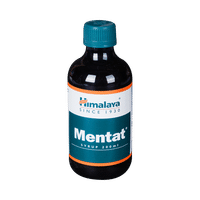 Himalaya Mentat Syrup₹ 257
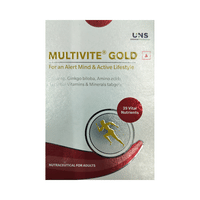 Multivite Gold Essential Vitamins & Minerals Tabgels for General Health & Wellness₹ 395
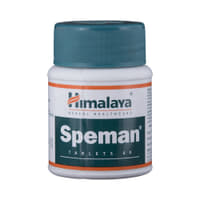 Himalaya Speman Tablet for Men's Health₹ 248
Expert advice FOR Ethyol Injection
- Amifostine is given as an infusion into the vein ( IV infusion) under the supervision of a doctor only.
- It is advisable to stay hydrated or drink plenty of fluids before taking medicine.
- You will be monitored for blood pressure before and after every 5 minutes of infusion.
- It may cause a decrease in calcium levels. Your doctor may monitor your calcium levels regularly and prescribe supplements if needed.
Frequently asked questions FOR Ethyol 500mg Injection
Amifostine
Q. What is Ethyol 500mg Injection used for?
Ethyol 500mg Injection is used to protect healthy tissues from certain side effects of cancer treatment. It may help reduce kidney damage caused by cisplatin chemotherapy and prevent moderate to severe dry mouth in selected patients receiving radiotherapy for head and neck cancer.
Q. How is Ethyol 500mg Injection given?
Ethyol 500mg Injection is given as an injection into a vein by a healthcare professional. It is administered before the scheduled chemotherapy or radiotherapy session, depending on the reason for treatment.
Q. Why is my blood pressure monitored during Ethyol 500mg Injection infusion?
Ethyol 500mg Injection can cause a sudden fall in blood pressure. Your blood pressure may be checked before, during and after the infusion to identify and manage this reaction promptly.