







food interaction for Corolate Injection
alcohol interaction for Corolate Injection
pregnancy interaction for Corolate Injection
lactation interaction for Corolate Injection
food
alcohol
pregnancy
lactation
No interaction found/established
It is not known whether it is safe to consume alcohol with Corolate 0.2mg Injection. Please consult your doctor.
CONSULT YOUR DOCTOR
The safety of Corolate 0.2mg Injection during pregnancy has not been established. There are no adequate and well-controlled studies in pregnant women, and animal data on reproductive toxicity are insufficient. Your doctor will weigh the benefits and any potential risks before prescribing.
CONSULT YOUR DOCTOR
Information regarding the use of Corolate 0.2mg Injection during breastfeeding is not available. Please consult your doctor.
Long-term use of Corolate 0.2mg Injection might reduce milk production.
Long-term use of Corolate 0.2mg Injection might reduce milk production.
CONSULT YOUR DOCTOR
SALT INFORMATION FOR Corolate 0.2mg/1ml Injection
Glycopyrrolate(0.2mg/1ml)
Corolate injection uses
{med_name} is used in allergic conditions, general Anaesthesia and peptic ulcer disease.
How corolate injection works
Corolate 0.2mg Injection is an anticholinergic medication. It works by blocking the activity of a chemical messenger (acetylcholine) in the brain.
Common side effects of corolate injection
Blurred vision, Dilatation of pupil, Palpitations, Reduced sweating, Urinary retention, Cycloplegia (paralysis of the ciliary muscle of the eye), Ocular hyperemia, Slow heart rate, Increased heart rate, Increased intraocular pressure
SUBSTITUTES FOR Corolate Injection
1 Substitutes
1 Substitutes
Sorted By
 Rs. 11.44save 21% more per ml of Injection
Related Products
 Becosules Capsule with B-Complex & Vitamin C | For Mouth Ulcers₹ 62.37
 Aristozyme Diastase & Pepsin Liquid | For Digestive Care & Stomach Care | Flavour Pineapple₹ 151.8
 Sporlac DS Tablet | For Stomach Care₹ 224.16
 Revital H Multivitamin with Natural Ginseng for Immunity, Strong Bones & Energy₹ 293
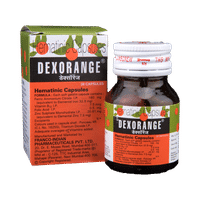 Dexorange Hematinic Capsule₹ 192.75
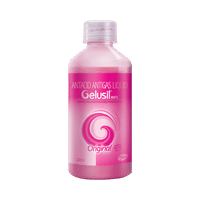 Gelusil MPS Antacid & Antigas Original Liquid | For Acidity, Hurtburns, Gas & Stomach Care | Sugar-Free | Mint Flavour Mint₹ 173.52
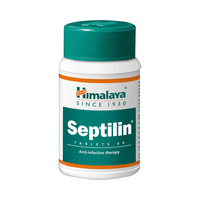 Himalaya Septilin Tablet | for Treatment and Management of Various Infections | Prevents Recurrence of Infections₹ 275
 Coralium-D3 Tablet₹ 184.45
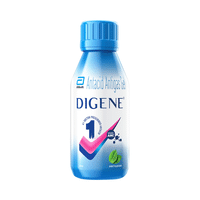 Digene Antacid Antigas Gel | For Acidity, Gas, Heartburn & Stomach Care | Flavour Mint₹ 180.7
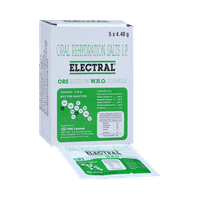 Electral Powder | ORS for Replenishing Body Fluids & Electrolytes | For Stomach Care₹ 4.65
Expert advice FOR Corolate Injection
- Glycopyrrolate is used before an operation, to reduce saliva and other secretions and to make the stomach contents less acidic.
- It may also be used to reduce side effects of muscle-relaxing drugs and to prevent of slowing of heart beat during surgery.
- It is given as an injection into a muscle or into a vein.
- Use caution while driving or doing anything that requires concentration as Glycopyrrolate may cause dizziness and blurred vision.
- You have been prescribed Glycopyrrolate to reduce excessive drooling or salivation.
- Take it at least 1 hour before or 2 hours after a meal.
- It may cause constipation. Eat adequate fiber in your diet and drink plenty of water.
- Use caution while driving or doing anything that requires concentration as Glycopyrrolate may cause dizziness and blurred vision.
- It may make you sweat less. Avoid doing things that may cause you to overheat such as exercise.
- Inform your doctor if you develop nausea, vomiting, constipation or diarrhea that does not go away.
Frequently asked questions FOR Corolate 0.2mg/1ml Injection
Glycopyrrolate
Q. Is Corolate 0.2mg Injection a narcotic?
No, Corolate 0.2mg Injection is not a narcotic.
Q. Does Corolate 0.2mg Injection cause tachycardia?
Yes, Corolate 0.2mg Injection has its action on the heart which increases the heart rate (tachycardia). This property of the medication is utilized during surgery to prevent the fall of heart rate due to various other supplemental anesthetic medications.
Q. Can Corolate 0.2mg Injection cause constipation?
Yes, Corolate 0.2mg Injection can cause constipation because of its action on the intestine. It decreases the intestinal secretions and also decreases the gut motility which can result in constipation.