






Rs.12.66for 1 strip(s) (10 tablets each)

food interaction for Carbesta Tablet
alcohol interaction for Carbesta Tablet
pregnancy interaction for Carbesta Tablet
lactation interaction for Carbesta Tablet
food
alcohol
pregnancy
lactation
Carbesta 200mg Tablet may be taken with or without food.
None
None
CAUTION
It is not known whether it is safe to consume alcohol with Carbesta 200mg Tablet. Please consult your doctor.
CONSULT YOUR DOCTOR
Carbesta 200mg Tablet is not recommended during pregnancy as there is positive evidence of fetal risk based on animal studies. However, it may still be prescribed by a doctor in situations where the benefits outweigh the risks.
CONSULT YOUR DOCTOR
Carbesta 200mg Tablet should be used with caution during breastfeeding. Breastfeeding should be held until the treatment of the mother is completed and the drug is eliminated from the body.
CAUTION
SALT INFORMATION FOR Carbesta 200mg Tablet
Carbamazepine(200mg)
Carbesta tablet uses
{med_name} is used in the treatment of trigeminal neuralgia and epilepsy/seizures.
How carbesta tablet works
Carbesta 200mg Tablet is an antiepileptic medication. It controls seizures or fits by decreasing the abnormal and excessive activity of the nerve cells in the brain.
Common side effects of carbesta tablet
Nausea, Dizziness, Vomiting, Drowsiness, Impaired coordination
SUBSTITUTES FOR Carbesta Tablet
49 Substitutes
49 Substitutes
Sorted By
 Rs. 16.67pay 26% more per Tablet
- Rs. 16.76pay 33% more per Tablet
- Rs. 16.66pay 32% more per Tablet
- Rs. 16.80pay 33% more per Tablet
- Rs. 12.80pay 1% more per Tablet
Related Products
 Prega News Pregnancy Test Kit₹ 60
 Livogen Z | Management of Iron Deficiency Anemia₹ 108.92
 i-pill | Emergency Contraceptive Pill for Women | levonorgestrel Tablet₹ 76.66
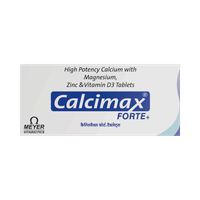 Calcimax Forte+ Calcium Tablet with Vitamin D3, Magnesium & Zinc | Supports Bone, Joint & Muscle Health | Indian Pharmacopoeia IP Grade Calcium Carbonate₹ 322
 Charak M2-Tone Syrup | Non-Hormonal Menstrual Modulator₹ 169
 Normoz Tablet with Myo-Inositol, D-Chiro-Inositol, Chromium & Vitamin D2₹ 284.5
 Richar CR 75mg Tablet₹ 195
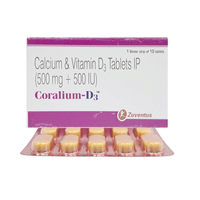 Coralium-D3 Tablet₹ 184.45
 Ovabless Tablet₹ 222
 Himalaya Evecare Syrup₹ 216
Expert advice FOR Carbesta Tablet
- Take your medication regularly as directed by your doctor as missing doses can trigger seizures.
- Do not change the brand of your medicine and make sure that you have sufficient amount of medicine present with you.
- Some healthy tips to prevent seizures:
- Practice yoga every day.
- Get enough sleep at nighttime.
- Limit the use of screen time such as mobile/laptop.
- Take your medication on time.
- It may cause dizziness and sleepiness. Do not drive or do anything that requires mental focus until you know how it affects you.
- Your doctor may get regular tests done to monitor the level of blood cells in your blood while taking this medication.
- Talk to your doctor if you notice sudden mood changes or develop suicidal thoughts.
- Inform your doctor if you notice a rash or other skin changes such as reddish spot or circular patches while taking this medicine.
- Do not stop taking the medication suddenly without talking to your doctor as it may increase the seizure frequency.
Frequently asked questions FOR Carbesta 200mg Tablet
Carbamazepine
Q. How quickly does Carbesta 200mg Tablet start working?
Your symptoms may take 1-2 weeks to improve. However, in some cases, it may take even longer. Consult your doctor if your condition doesn't improve or if you have any doubts regarding your condition.
Q. Is Carbesta 200mg Tablet an analgesic? What is it used for?
No, Carbesta 200mg Tablet is not an analgesic and should not be used for regular aches or pains. It is an anti-epileptic medicine which is used to treat fits (seizures). It is also used in the treatment of trigeminal neuralgia (intense facial nerve pain). In addition to that, Carbesta 200mg Tablet is used to control mood disorders when other medicines fail to work.
Q. What should I tell my doctor before taking Carbesta 200mg Tablet?
Inform your doctor if you are taking any other medicines including medicines for epilepsy or seizures, medicines used to thin your blood (e.g., warfarin), medicines to control bacterial infection (e.g., chloramphenicol, metronidazole and doxycycline) and medicines to control viral infection (e.g., nelfinavir). Also, let your doctor know if you take asthma medicines (e.g., theophylline and montelukast), birth control pills, etc. It is important to tell your doctor if you are planning to become pregnant or are breastfeeding. Further, you should tell the doctor if you have ever had liver problems, kidney problems, lung problems or porphyria (a rare blood pigment disorder).