






Rs.12.90for 1 strip(s) (10 tablets each)

food interaction for Bigomet Tablet
alcohol interaction for Bigomet Tablet
pregnancy interaction for Bigomet Tablet
lactation interaction for Bigomet Tablet
food
alcohol
pregnancy
lactation
Bigomet 500 Tablet should be taken with or after food.
None
None
CAUTION
It is unsafe to consume alcohol with Bigomet 500 Tablet
UNSAFE
Bigomet 500 Tablet is safe to use during pregnancy. Most studies have shown low or no risk to the developing baby.
SAFE IF PRESCRIBED
Bigomet 500 Tablet may be safe to use during breastfeeding. Animal studies have shown low or no adverse effects to the developing baby; however, there are limited human studies.
SAFE IF PRESCRIBED
SALT INFORMATION FOR Bigomet 500mg Tablet
Metformin(500mg)
Bigomet tablet uses
{med_name} is used in the treatment of type 2 diabetes mellitus. It is used in addition to diet and exercise to improve blood sugar control in adults with type 2 diabetes.
How bigomet tablet works
Bigomet 500 Tablet works by lowering the excess glucose made by the liver and reducing the amount of glucose absorbed from food in the intestines. It also improves insulin sensitivity, which helps the body use insulin more effectively to move glucose from the blood into the cells for energy. This helps keep blood sugar levels under better control in people with type 2 diabetes mellitus.
Common side effects of bigomet tablet
Diarrhea, Headache, Vomiting, Nausea, Abdominal discomfort, Flatulence
SUBSTITUTES FOR Bigomet Tablet
230 Substitutes
230 Substitutes
Sorted By
 Rs. 39.70pay 54% more per Tablet
- Rs. 19.46pay 51% more per Tablet
- Rs. 19.76pay 53% more per Tablet
- Rs. 19.74pay 53% more per Tablet
- Rs. 26.33save 20% more per Tablet
Related Products
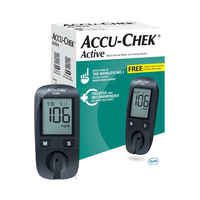 Accu-Chek Active Blood Glucometer Kit (Box of 10 Test strips Free) | Blood Glucose Monitors₹ 1124
 Prega News Pregnancy Test Kit₹ 60
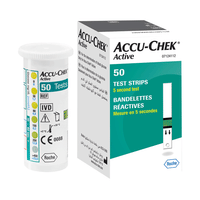 Accu-Chek Active Strip₹ 1115
 Livogen Z | Management of Iron Deficiency Anemia₹ 108.92
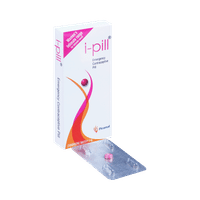 i-pill | Emergency Contraceptive Pill for Women | levonorgestrel Tablet₹ 76.66
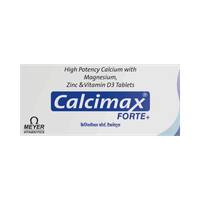 Calcimax Forte+ Calcium Tablet with Vitamin D3, Magnesium & Zinc | Supports Bone, Joint & Muscle Health | Indian Pharmacopoeia IP Grade Calcium Carbonate₹ 293
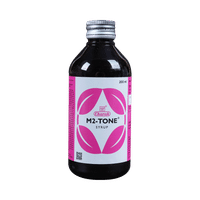 Charak M2-Tone Syrup | Non-Hormonal Menstrual Modulator₹ 169
 Normoz Tablet with Myo-Inositol, D-Chiro-Inositol, Chromium & Vitamin D2₹ 284.5
 Alamin-M Forte Capsule₹ 126.26
 Richar CR 75mg Tablet₹ 195
Expert advice FOR Bigomet Tablet
- The chances of weight gain and low blood sugar are lower with this medicine as compared to other diabetes medicines.
- Hypoglycemia (low blood sugar level) may occur when taken along with other antidiabetic medicines or alcohol, or on delaying/skipping a meal. Carry a sugar source with you for immediate relief.
- Tell your doctor immediately if you experience any deep or rapid breathing, persistent nausea, vomiting, and stomach pain, as Metformin may cause a rare but serious condition called lactic acidosis, which is an excess of lactic acid in the blood.
- Prolonged use of Metformin may lead to vitamin B12 deficiency, which may lead to anemia, causing fatigue, pale skin, shortness of breath, or headache. Notify your doctor if you experience any of these, as you may require supplements.
- Your doctor will monitor your blood sugar levels and kidney function regularly while you are taking this medication.
Frequently asked questions FOR Bigomet 500mg Tablet
Metformin
Q. How does this medicine help in both diabetes and PCOS when these are different conditions?
In diabetes, the main issue is high blood sugar due to insulin resistance. In Polycystic Ovary Syndrome, insulin resistance also plays a key role and affects hormone balance. Bigomet 500 Tablet improves how the body responds to insulin, which helps lower blood sugar in diabetes and can also help regulate hormones and cycles in PCOS.
Q. Can this medicine be used if blood sugar levels are only slightly high?
Yes, it may be prescribed even in early stages or prediabetes to improve insulin sensitivity and prevent progression, especially when lifestyle changes alone are not enough.
Q. Do I need to continue Bigomet 500 Tablet long-term?
Both diabetes and PCOS are long-term conditions. Bigomet 500 Tablet is often used for an extended period, but the duration depends on your response, goals, and your doctor’s advice.