






Rs.57.10for 1 strip(s) (3 tablets each)
Available in other variants

food interaction for Azimax Tablet
alcohol interaction for Azimax Tablet
pregnancy interaction for Azimax Tablet
lactation interaction for Azimax Tablet
food
alcohol
pregnancy
lactation
Azimax 500 Tablet may be taken with or without food.
None
None
CAUTION
It is not known whether it is safe to consume alcohol with Azimax 500 Tablet. Please consult your doctor.
CONSULT YOUR DOCTOR
The safety of Azimax 500 Tablet during pregnancy has not been established. There are no adequate and well-controlled studies in pregnant women, and animal data on reproductive toxicity are insufficient. Your doctor will weigh the benefits and any potential risks before prescribing.
CONSULT YOUR DOCTOR
Available human data suggest that the drug does not pass into breast milk in clinically significant amounts and is unlikely to harm the infant.
There may be a possibility of diarrhea or rash in the baby.
There may be a possibility of diarrhea or rash in the baby.
SAFE IF PRESCRIBED
SALT INFORMATION FOR Azimax 500mg Tablet
Azithromycin(500mg)
Azimax tablet uses
{med_name} is used in the treatment of bacterial infections. It is used in bacterial infections of tonsils, sinus, ear, nose, throat, skin and soft tissues, and lungs (pneumonia).
How azimax tablet works
Azimax 500 Tablet is an antibiotic that works by inhibiting bacterial protein synthesis. It binds to the bacterial ribosome and prevents the production of essential proteins required for bacterial growth and survival, thereby stopping the infection from spreading.
Common side effects of azimax tablet
Diarrhea, Nausea, Headache, Palpitations, Vomiting, Chest pain, Indigestion, Abdominal pain, Flatulence, Dark colored stool, Vaginal moniliasis, Vaginal inflammation, Fatigue, Rash, Itching, Photosensitivity, Nephritis, Dizziness, Vertigo, Angioedema (swelling of deeper layers of skin)
SUBSTITUTES FOR Azimax Tablet
2695 Substitutes
2695 Substitutes
Sorted By
 Rs. 125.89pay 32% more per Tablet
- Rs. 125.89pay 32% more per Tablet
- Rs. 75.35pay 32% more per Tablet
- Rs. 123.74pay 30% more per Tablet
- Rs. 75.53pay 13% more per Tablet
Related Products
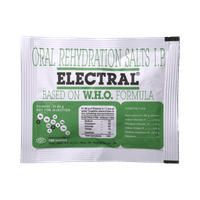 Electral Powder | for Replenishing Body Fluids & Electrolytes | For Stomach Care₹ 23.05
 Aristozyme Diastase & Pepsin Liquid | For Digestive Care & Stomach Care | Flavour Pineapple₹ 151.8
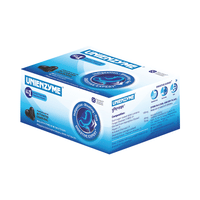 Unienzyme Tablet with Activated Charcoal | For Indigestion, Bloating & Gas | Stomach Care₹ 96.56
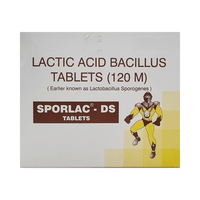 Sporlac DS Tablet | For Stomach Care₹ 224.16
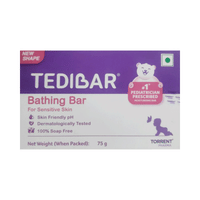 Tedibar Baby Bathing Bar for Sensitive Skin | Soap Free₹ 219.45
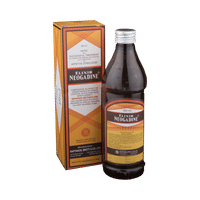 Neogadine Elixir₹ 247
 Tetmosol Medicated Soap with 5% Monosulfiram for Skin Infections₹ 105.7
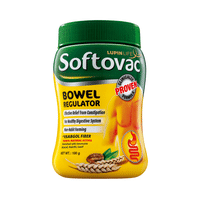 Softovac Bowel Regulator for Effective Relief from Constipation₹ 215
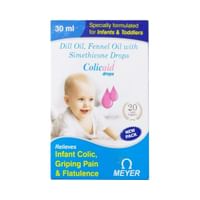 Colicaid Infant & Toddler Drop | For Infant Colic, Griping Pain & Flatulence₹ 93.75
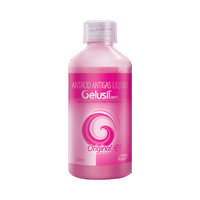 Gelusil MPS Antacid & Antigas Original Liquid | For Acidity, Hurtburns, Gas & Stomach Care | Sugar-Free | Mint Flavour Mint₹ 173.52
Expert advice FOR Azimax Tablet
- Take Azithromycin exactly as prescribed and complete the full course, even if you start feeling better.
- Stopping Azithromycin early may allow the infection to return and become harder to treat.
- Take Azithromycin at the same time each day to maintain consistent antibiotic levels in the body.
- Avoid taking antacids within 2 hours before or after taking Azithromycin, as they may affect absorption.
- Take Azithromycin with food, or it may cause stomach upset.
- Diarrhea may occur while taking Azithromycin; stay hydrated and contact your doctor if it becomes severe.
- Stop taking Azithromycin and seek immediate medical help if you develop rash, swelling of the face or throat, or difficulty breathing.
- Inform your doctor if you have liver disease or a history of heart rhythm problems before taking Azithromycin.
- Report symptoms such as palpitations, fainting, or severe dizziness promptly to your doctor.
- Consult your doctor if symptoms do not improve within a few days or if they worsen.
Frequently asked questions FOR Azimax 500mg Tablet
Azithromycin
Q. Is Azimax 500 Tablet safe?
Azimax 500 Tablet is safe if used at prescribed doses for the prescribed duration as advised by your doctor.
Q. What if I don't get better?
You should inform your doctor if you do not notice any improvement in your symptoms after 3 days of taking Azimax 500 Tablet. Also, if your symptoms get worse, inform your doctor immediately.
Q. Can the use of Azimax 500 Tablet cause diarrhea?
Yes, the use of Azimax 500 Tablet can cause diarrhea. It is an antibiotic which kills the harmful bacteria. However, it also affects the helpful bacteria in your stomach or intestine and causes diarrhea. If you are experiencing severe diarrhea, talk to your doctor about it.